
Rice cooker 3 Proven Tips For Perfect Texture Every Single Time
Introduction
Have you ever wondered why your rice turns out mushy one day and hard the next? I remember standing in my kitchen staring at yet another pot of clumpy rice thinking there has to be a better way. That frustration led me to discover the magic of using a proper rice cooker and honestly it changed everything about how I prepare meals.
Getting perfect rice is not just about the equipment though. The real secret lies in understanding a few simple techniques that work every single time. From my experience the biggest game changer was learning the right water ratio using quality tools and paying attention to resting time. These three elements combined with a reliable rice cooker make all the difference between disappointing results and restaurant quality grains.
In this guide I will walk you through everything you need to know about cooking white rice and how to cook rice with perfect texture every time. We will cover the essential tools you need step by step instructions common mistakes to avoid and tips that will transform your cooking experience. Trust me once you master these basics you will never look back.
Materials and Supplies
Let me tell you having the right tools makes this process so much easier. Here is what you will need to get started.
Essential Items
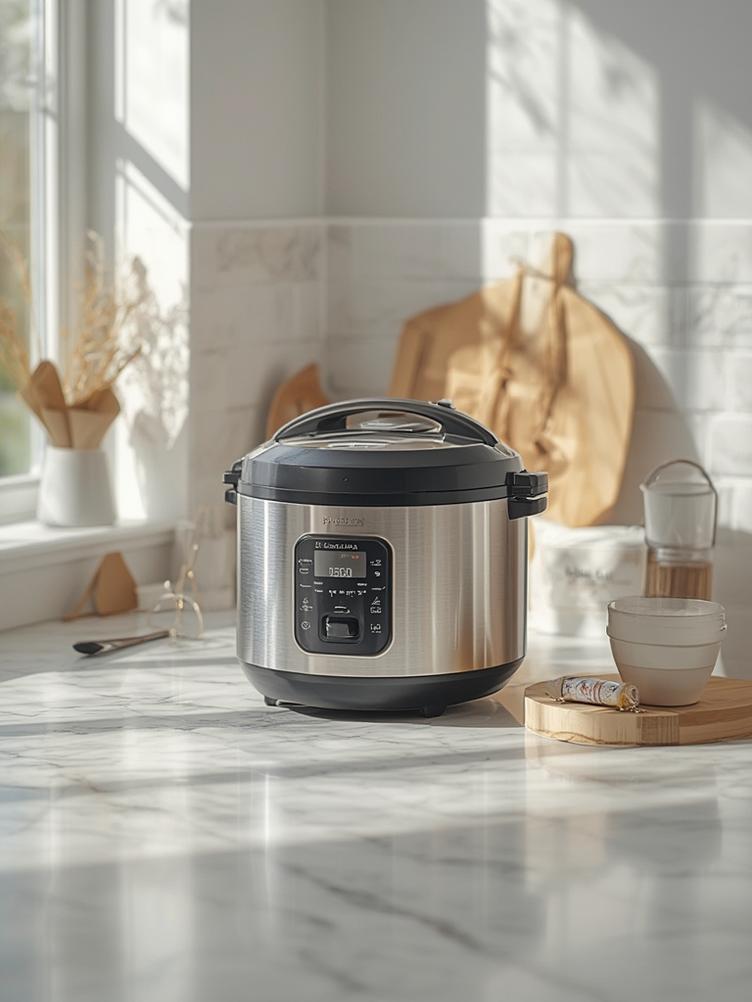
Rice Cooker: This is your main tool and investing in a good one matters. Look for models with automatic shut off keep warm functions and clear measurement marks inside the pot.
Measuring Cup: Most rice cookers come with their own measuring cup which is slightly smaller than a standard cup. Always use the cup that came with your cooker for accurate results.
Rice Paddle or Spoon: A flat rice paddle helps you fluff and serve without breaking the grains. The non stick varieties work best.
Fine Mesh Strainer: Essential for rinsing rice before cooking. This removes excess starch that causes gummy texture.
Clean Water Source: Quality water matters more than people think. If your tap water has strong mineral content consider using filtered water.
Optional Items
Kitchen Timer: While most modern rice cookers have built in timers having a backup never hurts especially when cooking other dishes simultaneously.
Rice Storage Container: Airtight containers keep your uncooked rice fresh and protected from moisture and pests.
Bamboo Steamer Basket: Some rice cookers allow steaming vegetables on top while rice cooks below which saves time and energy.
Possible Alternatives
If you do not have a dedicated rice cooker yet you can start with a heavy bottomed pot with a tight fitting lid. The process takes more attention but the principles remain the same. A regular measuring cup works fine but remember the rice cooker cup holds about three quarters of a standard cup.
Step by Step Instructions
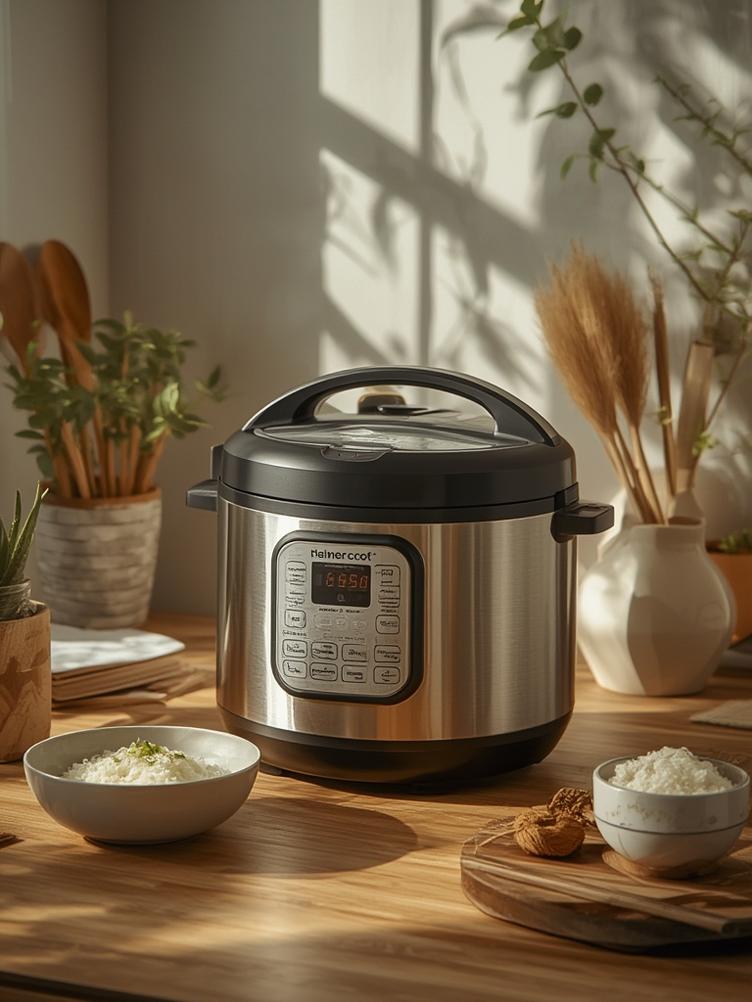
Now let me walk you through the exact process I use every single time for perfect results.
Step 1: Measure Your Rice Accurately
Use the measuring cup that came with your rice cooker and level it off without packing the rice down. For beginners I recommend starting with two cups as this amount is easiest to master.
Practical tip: Always measure rice before rinsing as wet rice clumps together and throws off your measurements.
Step 2: Rinse the Rice Thoroughly
Place your measured rice in the fine mesh strainer and rinse under cold running water. Gently swish the rice with your hand while rinsing until the water runs mostly clear. This usually takes about one to two minutes.
Practical tip: From my experience this step alone makes the biggest difference in texture. The cloudiness you see is excess starch which causes sticky gummy rice.
Step 3: Add the Correct Water Ratio
Here is where the magic happens. For most white rice varieties use a ratio of one to one meaning one cup rice to one cup water. Some people prefer slightly less water for firmer grains or slightly more for softer texture.
Practical tip: The water level markings inside most rice cooker pots are incredibly accurate. If you added two cups of rice fill water to the number two line. Let me tell you this foolproof system eliminated all my guessing.
Step 4: Let the Rice Soak Briefly
After adding water let the rice sit for five to ten minutes before turning on the cooker. This optional step allows the grains to absorb some moisture evenly which promotes uniform cooking.
Practical tip: I skip this step when I am in a rush and the rice still turns out great but soaking does produce slightly better results when you have time.
Step 5: Start the Cooking Cycle
Close the lid and press the cook button. Most modern rice cookers will automatically switch to warm mode when done. Avoid opening the lid during cooking as this releases steam and disrupts the temperature.
Practical tip: Resist the temptation to peek. Trust me the cooker knows what it is doing and opening the lid even once can affect the final texture.
Step 6: Let It Rest After Cooking
When the cooker switches to warm mode let the rice sit undisturbed for an additional ten to fifteen minutes. This resting period allows moisture to redistribute throughout the pot creating uniform texture from top to bottom.
Practical tip: This is the secret professional tip that most people skip. The difference between good rice and amazing rice often comes down to this resting time.
Step 7: Fluff and Serve
Use your rice paddle to gently fluff the rice working from the edges toward the center. This releases excess steam and separates the grains for that perfect fluffy appearance.
Practical tip: Make cutting motions rather than stirring to avoid mashing the grains. I learned this technique from watching Japanese cooking videos and it works beautifully.
When cooking white rice using these exact steps you will notice how each grain stays separate yet tender. Learning how to properly cook rice this way has saved me countless disappointing dinners.
Advantages and Culinary Benefits
Using a quality rice cooker brings so many benefits to your kitchen routine that go way beyond just convenience.
First the consistency factor cannot be overstated. Before I switched to using a dedicated cooker my stovetop rice was a gamble. Now I get perfect results every single time without babysitting the pot or worrying about burning.
Time savings add up quickly too. You simply add your ingredients press a button and walk away. This frees you up to prepare other parts of your meal or even leave the kitchen entirely. The automatic keep warm function means your rice stays at the perfect serving temperature for hours without drying out or overcooking.
From a health perspective rice cookers seal in nutrients better than boiling methods where vitamins can leach into excess water that gets drained away. The steam cooking method preserves more of the natural goodness in your grains.
Energy efficiency matters more than most people realize. Rice cookers use significantly less electricity than keeping a stovetop burner running for twenty to thirty minutes. Over time this adds up to real savings on your utility bills.
The versatility surprised me most. Beyond basic white rice I now use mine for brown rice quinoa oatmeal steamed vegetables and even small cake recipes. Getting multiple functions from one compact appliance makes it perfect for small kitchens or anyone trying to minimize clutter.
Safety features give peace of mind especially if you have kids or pets around. There are no open flames or hot burners and the automatic shut off prevents any risk of burning or fire if you forget about it.
Common Mistakes to Avoid
Let me share the mistakes I see people make all the time because I have made most of them myself.
Mistake 1: Not Rinsing the Rice
The problem here is that unwashed rice carries surface starch that turns your finished product into a gummy sticky mess rather than separate fluffy grains. I used to skip this step thinking it did not matter much but wow was I wrong.
Solution: Always rinse until the water runs mostly clear. Yes it adds two minutes to your prep time but those two minutes make all the difference in your final results.
Mistake 2: Using the Wrong Water Ratio
Too much water creates mushy rice while too little leaves it hard and undercooked. I made this mistake myself when I first started using measuring cups from my regular kitchen set instead of the one provided with the cooker.
Solution: Stick to the measurements marked inside your rice cooker pot or follow the one to one ratio guideline. Write down any adjustments you prefer so you can replicate success next time.
Mistake 3: Opening the Lid During Cooking
Every time you lift that lid you release steam and drop the internal temperature. This extends cooking time and creates uneven texture. Trust me I learned this the hard way after several batches of half cooked rice.
Solution: Keep the lid closed throughout the entire cooking process. If you absolutely must check use the small steam vent window that some models have rather than opening completely.
Mistake 4: Skipping the Resting Period
Serving immediately after the cooker switches off means you miss out on that final moisture redistribution. The bottom layer often ends up wetter while the top stays slightly dry.
Solution: Build that ten to fifteen minute rest time into your meal planning. Use it to finish your main dish set the table or prepare garnishes.
Mistake 5: Not Cleaning the Cooker Properly
Leftover rice residue builds up around the rim and on the heating element affecting performance and creating food safety issues. I used to just rinse the inner pot and call it done.
Solution: After each use wash the inner pot lid and any removable parts with warm soapy water. Wipe down the heating plate and exterior weekly to maintain optimal function.
FAQs
How long does a rice cooker typically last?
A quality rice cooker should last anywhere from five to ten years with regular use. I have had mine for seven years now and it still works like new. The key is proper cleaning and avoiding damage to the non stick coating inside the pot.
Is the non stick coating safe?
Modern rice cookers use PFOA free non stick coatings that are safe when used properly. Avoid metal utensils that can scratch the surface and never use abrasive cleaners. The rice paddle that comes with your cooker is designed specifically to protect this coating.
Can I cook other grains besides white rice?
Absolutely. Most rice cookers handle brown rice quinoa millet barley and even oatmeal beautifully. Brown rice typically needs more water and longer cooking time but many modern models have specific settings for different grain types.
What size rice cooker should I buy?
This depends on your household size. A three cup model works well for one to two people while five to eight cup models suit families of four to six. Remember these measurements refer to uncooked rice which expands during cooking.
Why does my rice sometimes stick to the bottom?
This usually happens when the rice to water ratio is off or when rice sits on the warm setting for too many hours. Make sure you are measuring accurately and try serving within two to three hours of cooking for best results.
Tips and Alternative Methods
Let me share some additional tricks I have picked up over the years that might help you get even more from your rice cooker.
For small kitchens consider models with stackable steamer trays. This vertical cooking approach lets you prepare complete meals in minimal counter space. I have made rice with steamed fish and vegetables all in one go which is perfect for busy weeknights.
Budget conscious cooks should know that even basic models without fancy digital displays work wonderfully. My first rice cooker cost less than thirty dollars and produced excellent results for years. Spend money on capacity and build quality rather than extra features you might never use.
Beginners benefit from models with clear lid windows. Being able to see the cooking process without opening the lid helps you learn what properly cooked rice looks like and builds your confidence.
For professional level results try the soaking method I mentioned earlier but extend it to thirty minutes. This technique common in Asian restaurants produces incredibly tender grains with superior texture. You can also add a small piece of kombu seaweed to the water for subtle umami flavor.
Here is an innovative technique I discovered by accident. Add a tablespoon of butter or coconut oil before cooking for extra richness and to prevent sticking. The fat coats each grain creating an almost pilaf like result that pairs beautifully with curries and stews.
Leftover rice transforms into amazing fried rice but only if you refrigerate it first. Spread your cooled rice on a baking sheet and chill for at least two hours. The grains firm up and dry out slightly which is exactly what you want for that perfect fried rice texture.
Conclusion
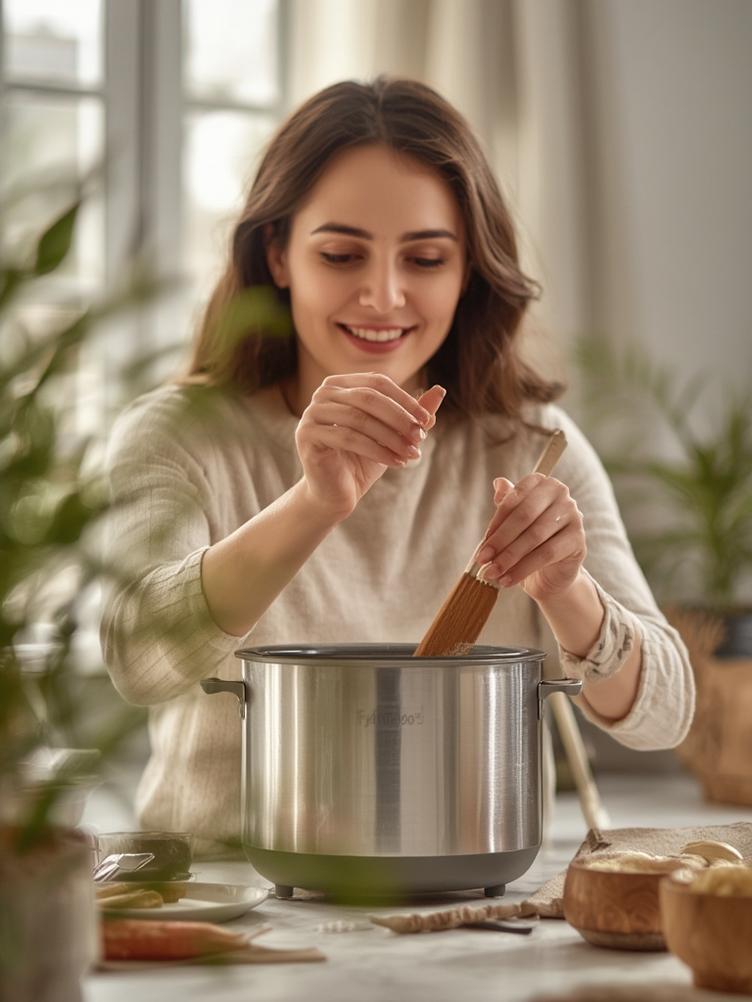
Mastering the art of perfect rice really comes down to three key elements: proper rinsing correct water ratios and adequate resting time. When you combine these techniques with a reliable rice cooker you eliminate the guesswork and frustration that comes with stovetop methods.
From my experience investing time to learn these fundamentals pays off in every single meal you prepare. Whether you are cooking white rice for a simple weeknight dinner or preparing an elaborate feast the confidence that comes from knowing how to cook rice perfectly transforms your entire cooking experience.
I encourage you to try these methods and see the difference for yourself. Start with basic white rice to build your skills then experiment with different varieties and flavor additions. Share your results with friends and family or drop a comment about your own rice cooking journey. We would love to hear what works in your kitchen.
Remember that even small improvements in technique lead to noticeably better results. Take it one step at a time and before long perfect rice will become second nature. Your future self will thank you every time you sit down to a meal with beautifully cooked fluffy grains.
Final Verdict and Overall Recommendation
If you are serious about improving your cooking and eliminating the frustration of inconsistent rice results investing in a quality rice cooker is one of the smartest kitchen decisions you can make.
The time savings alone justify the purchase but when you factor in the perfect texture improved nutrition and incredible versatility you get tremendous value. I cannot imagine my kitchen without mine and I genuinely believe it belongs in every home alongside your pots pans and knives.
Ready to transform your rice cooking experience? Check out this highly rated rice cooker on Amazon that delivers professional results without the professional price tag. Thousands of home cooks have already discovered how this simple tool can elevate everyday meals into something special.
Do not wait for another disappointing batch of mushy or undercooked rice to convince you. Make the change today and start enjoying perfect texture every single time. Your taste buds and your family will notice the difference from the very first meal.