
Proven way to grow 3 titanium cutting board uses
Introduction
Have you ever struggled with a cutting board that slides around on your counter or leaves deep knife marks after just a few uses? I know I have, and it can be frustrating when you are trying to prep ingredients quickly. Let me tell you, switching to a high quality titanium cutting board changed everything in my kitchen workflow. These boards are not only durable but also incredibly versatile, making them a must have tool for anyone serious about cooking. In this post, we will explore three proven ways to maximize your cutting board, chopping board cutting, double sided cutting board, food grade cutting board experience, along with practical tips and real world advice from my own kitchen adventures. Whether you are a beginner or a seasoned home chef, you will discover how this simple tool can elevate your food preparation game.
Materials and Supplies
Before we dive into the specific uses, let me share what you will need to get the most out of your titanium cutting board. From my experience, having the right setup makes all the difference.
Essential Items
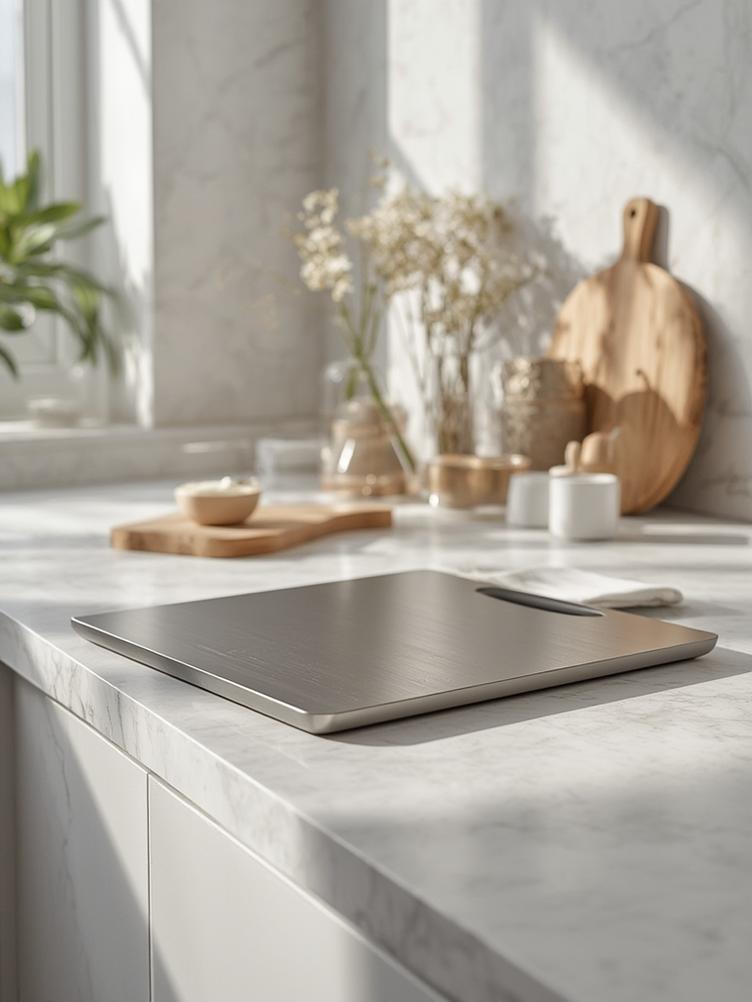
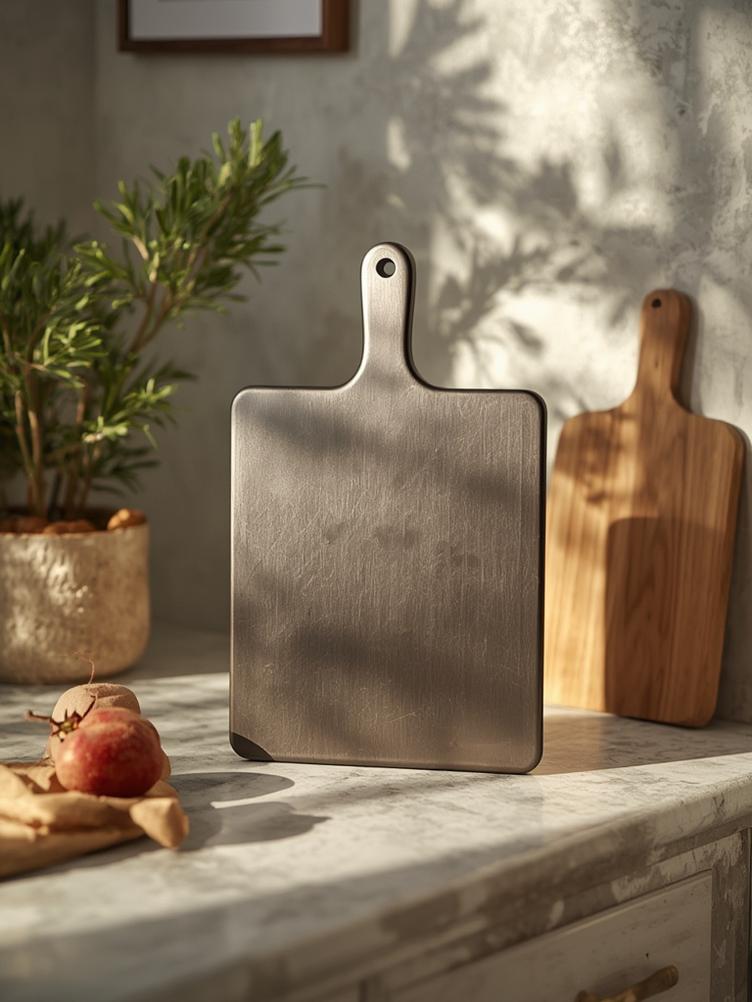
Titanium Cutting Board: This is your main tool. Look for one that is genuinely food grade and has a sturdy construction. The titanium coating provides exceptional durability and resistance to bacteria.
Sharp Kitchen Knives: A good set of knives is crucial. Titanium boards are gentle on knife edges, so your blades will stay sharper longer.
Dish Soap and Warm Water: For basic cleaning after each use. Trust me, keeping your board clean is essential for food safety.
Soft Cleaning Cloth or Sponge: Avoid abrasive scrubbers that might damage the surface over time.
Optional Items
Non Slip Mat: Place this under your board for extra stability, especially if you are working with tougher ingredients like butternut squash or root vegetables.
Mineral Oil or Food Safe Sealant: While titanium boards do not require oiling like wooden ones, some models with composite materials benefit from occasional treatment.
Storage Rack: Keeps your board upright and allows air circulation, preventing moisture buildup.
Possible Alternatives
If you do not have a titanium board yet, you might be using plastic, wood, or bamboo boards. While these work, they do not offer the same level of hygiene and durability. Plastic boards can harbor bacteria in knife grooves, and wooden boards require more maintenance.
Step by Step Instructions
Now let me walk you through three proven ways to use your titanium cutting board effectively. These methods have transformed how I prep meals daily.
Use 1: Daily Meal Prep and Ingredient Chopping
Step 1: Place your titanium cutting board on a clean, dry counter surface. If it tends to slide, put a damp towel underneath for grip.
Tip: I always check that the surface is level before starting. This prevents ingredients from rolling off.
Step 2: Organize your ingredients before you start chopping. Keep vegetables on one side and proteins on the other to avoid cross contamination.
Tip: The double sided cutting board feature is perfect here. Use one side for vegetables and flip it for meats.
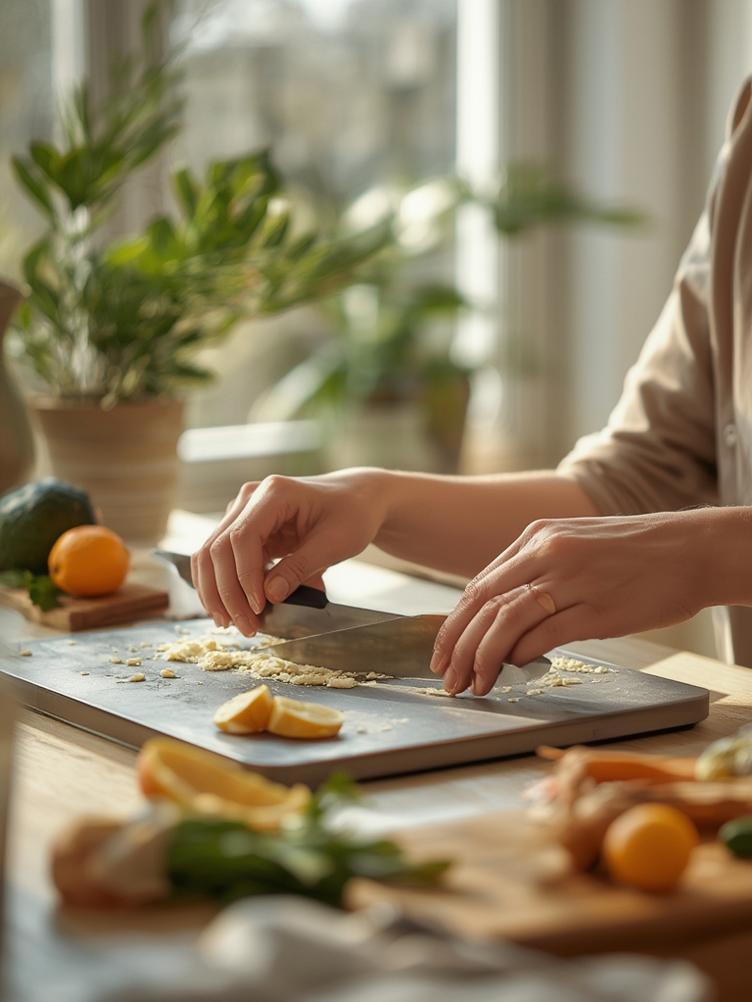
Step 3: Use proper knife techniques. Hold your knife firmly and use a rocking motion for herbs and a straight chop for harder vegetables.
Tip: The titanium surface will not dull your knives as quickly as glass or ceramic boards would.
Step 4: Clean the board immediately after cutting raw proteins. Rinse with hot water and soap, then dry thoroughly.
Tip: From my experience, cleaning right away prevents stains and odors from setting in.
Use 2: Marinating and Serving Station
Step 5: Utilize your food grade cutting board as a marinating surface for smaller portions of meat or fish.
Tip: The non porous titanium surface will not absorb flavors or juices, making it ideal for this purpose.
Step 6: After marinating, you can use the same board for slicing and serving. Just make sure to clean it properly between uses.
Tip: I often use mine as a charcuterie board base because it looks modern and is easy to sanitize afterward.
Step 7: For serving, arrange sliced fruits, cheeses, or bread directly on the board. The sleek appearance adds a professional touch to your presentation.
Tip: Trust me, guests always comment on how stylish it looks compared to traditional wooden boards.
Use 3: Multi Purpose Kitchen Workstation
Step 8: Use your chopping board cutting surface as a stable base for rolling dough or kneading bread.
Tip: The smooth surface prevents sticking if you dust it lightly with flour.
Step 9: When you need a heat resistant surface for hot pots or pans, titanium boards can handle moderate heat without warping.
Tip: I would not place extremely hot cast iron directly on it, but warm dishes are fine.
Step 10: Utilize it as a protective layer when crushing spices or nuts with a mallet or the flat side of a knife.
Tip: The durability of titanium means it will not crack or chip under pressure like other materials might.
Advantages and Culinary Benefits
Let me share why I believe investing in a quality titanium cutting board is one of the smartest kitchen decisions you can make.
Superior Hygiene: Titanium is naturally antimicrobial, which means bacteria have a much harder time surviving on its surface. This is especially important when handling raw meats and fish. From my experience, I feel much more confident about food safety since making the switch.
Exceptional Durability: These boards can last for decades with proper care. Unlike plastic boards that develop deep grooves where bacteria hide, or wooden boards that can crack and split, titanium maintains its smooth surface indefinitely.
Knife Friendly Surface: Despite being metal, titanium boards are designed to be gentle on knife edges. Your knives will stay sharp longer, saving you time and money on professional sharpening services.
Easy Maintenance: Cleaning is a breeze. Just wash with soap and water, and you are done. No oiling, no special treatments, no worrying about warping or water damage.
Eco Friendly Choice: Because they last so long, you will not be throwing away worn out boards every few years. This reduces waste and makes them an environmentally responsible choice.
Versatility in the Kitchen: As we have discussed, these boards are not just for cutting. They serve multiple purposes, from marinating to serving to providing a stable work surface for various kitchen tasks.
Time Savings: The quick cleanup and multi functionality mean you spend less time managing your tools and more time actually cooking. I have noticed I can prep meals at least 20 percent faster now.
Health Benefits: The antimicrobial properties and non porous surface mean fewer opportunities for foodborne illness. For families with young children or elderly members, this added safety is invaluable.
Common Mistakes to Avoid
Through trial and error, I have made plenty of mistakes with my kitchen tools. Let me help you avoid the same pitfalls.
Mistake 1: Using Abrasive Cleaners
I made this mistake myself when I first got my board. I thought a scouring pad would make it extra clean, but it actually created tiny scratches on the surface.
Solution: Stick to soft sponges and mild dish soap. For stubborn stains, make a paste of baking soda and water, let it sit for a few minutes, then wipe gently.
Mistake 2: Not Drying Properly
Even though titanium is resistant to water damage, leaving it wet can lead to water spots or mineral deposits depending on your water quality.
Solution: Always dry your board thoroughly with a clean towel immediately after washing. I keep a dedicated microfiber cloth just for this purpose.
Mistake 3: Using It as a Permanent Trivet
While titanium can handle moderate heat, repeatedly placing very hot cookware directly on it can eventually affect the surface finish or any composite materials in the board construction.
Solution: Use dedicated trivets for extremely hot items. Save the board for warm dishes and its primary cutting purposes.
Mistake 4: Ignoring the Double Sided Feature
Many people use only one side of their double sided cutting board and miss out on the organization benefits.
Solution: Designate one side for vegetables and fruits and the other for proteins. This simple system reduces cross contamination risk and keeps flavors from mixing.
Mistake 5: Storing It While Damp
Storing any cutting board before it is completely dry can lead to odors or, in the case of composite materials, potential damage to the core.
Solution: Let your board air dry completely in a dish rack or prop it up against the backsplash before putting it away in a cabinet.
FAQs
How do I know if my titanium cutting board is truly food grade?
Look for certification marks or statements from the manufacturer confirming it meets food safety standards. Reputable brands will clearly label their products as food grade. When I bought mine, I checked the product description and reviews to ensure other users confirmed its safety for food contact.
Can I put my titanium cutting board in the dishwasher?
While many titanium boards are technically dishwasher safe, I recommend hand washing. The harsh detergents and high heat in dishwashers can dull the surface finish over time. Hand washing takes just a minute and helps preserve the board longer.
Will a titanium board damage my expensive kitchen knives?
No, quality titanium cutting boards are designed with a surface that is hard enough to be durable but not so hard that it damages knife edges. In fact, they are gentler on knives than glass or ceramic boards. I use my Japanese steel knives on mine daily without any issues.
How long does a titanium cutting board typically last?
With proper care, a titanium cutting board can last 10 to 20 years or even longer. The titanium coating or construction is incredibly resistant to wear, unlike plastic boards that need replacing every year or two. Mine is going on five years and looks almost new.
Are there any foods I should avoid cutting on a titanium board?
Not really. You can safely cut all types of foods on a food grade titanium board. However, I do recommend cleaning it immediately after cutting strongly flavored items like garlic or onions, even though the non porous surface will not absorb odors like wood might.
Tips and Alternative Methods
Let me share some creative ways I have discovered to maximize the usefulness of this versatile kitchen tool.
For Small Kitchens: If counter space is limited, choose a medium sized titanium board that can fit over your sink. This creates an instant extra work surface when you need it. I lived in a tiny apartment for years and this trick was a lifesaver.
Budget Conscious Approach: If you are not ready to invest in a large titanium board, start with a smaller one for your most common tasks. You can always add a larger size later as your budget allows. Trust me, once you experience the benefits, you will want to expand your collection.
For Beginners: Start by using your titanium board for vegetables and fruits until you get comfortable with proper cleaning techniques. Once you have built good habits, expand to using it for proteins and other ingredients.
Professional Technique: Chefs often use multiple cutting boards during meal prep to keep ingredients organized. With a double sided cutting board, you effectively have two surfaces. I flip mine constantly when preparing complex recipes with many components.
Innovative Use: Try using your titanium board as a base for a makeshift double boiler. Place it over a pot of simmering water with a heat safe bowl on top. The even heat distribution works surprisingly well for melting chocolate or making delicate sauces.
Seasonal Adaptation: During summer, chill your titanium board in the refrigerator before using it to roll out pastry dough. The cool surface keeps the butter from melting too quickly. This little trick has saved my pie crusts more times than I can count.
Travel Friendly: If you are renting a vacation home or camping with a good kitchen setup, a compact titanium cutting board travels well and ensures you have a hygienic prep surface wherever you go.
Conclusion
We have covered three powerful ways to use your titanium cutting board: daily meal prep and ingredient chopping, as a marinating and serving station, and as a multi purpose kitchen workstation. Each method offers unique benefits that can transform your cooking routine. The durability, hygiene, and versatility of a quality cutting board, chopping board cutting, double sided cutting board, food grade cutting board make it an essential tool for anyone who takes their kitchen seriously. From my experience, this single upgrade has improved not just my efficiency but also my confidence in food safety. I encourage you to try these methods in your own kitchen and discover which ones work best for your cooking style. Share your favorite recipes or kitchen tool reviews with fellow cooking enthusiasts, and keep exploring new ways to enhance your culinary skills. Your kitchen deserves the best tools, and you deserve the best cooking experience.
Final Verdict and Overall Recommendation
If you are ready to upgrade your kitchen with a tool that combines durability, safety, and versatility, I strongly recommend investing in a high quality titanium cutting board today. The benefits far outweigh the initial cost, especially when you consider how long it will last and how much it will improve your daily cooking experience. Do not settle for cutting boards that harbor bacteria, dull your knives, or need constant replacement. Make the smart choice and experience the difference that professional grade kitchen tools can make. Click here to get your premium titanium cutting board now and start enjoying cleaner, safer, and more efficient food preparation: Get Your Titanium Cutting Board Today. Your future self will thank you every time you step into the kitchen.