
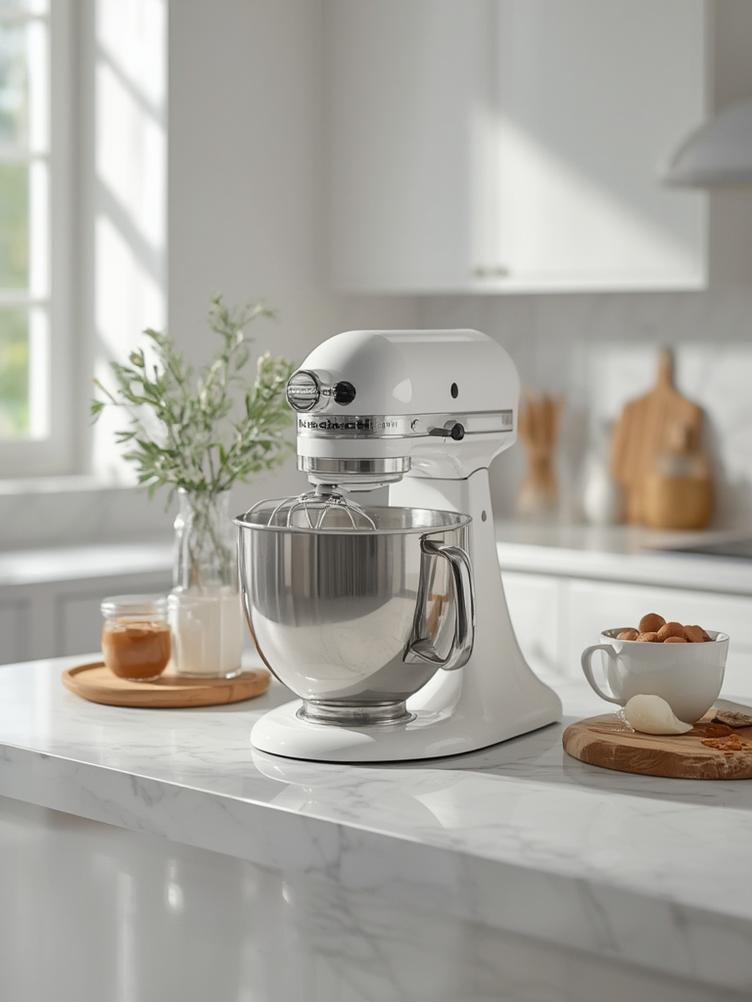
How to grow kitchenaid stand mixer 5
Introduction
Have you ever stood in your kitchen staring at a bowl of dough wondering if your arms would give out before it was properly kneaded? I remember the first time I tried making homemade bread by hand and my shoulders ached for days afterward. That was the moment I realized I needed a real workhorse in my kitchen. Let me tell you investing in a quality kitchenaid stand mixer completely transformed my baking experience and it can do the same for you.
The beauty of owning a powerful mixer is not just about convenience. It opens up a whole new world of culinary possibilities from fluffy meringues to perfectly kneaded pizza dough. In this comprehensive guide I will walk you through everything you need to know about maximizing your mixer’s potential. We will cover the essential tools and supplies you need practical step by step instructions to help you master basic and advanced techniques and the incredible benefits this versatile appliance brings to your kitchen. Whether you are a complete beginner or someone looking to expand your baking repertoire this guide has something valuable for you.
Trust me once you understand how to properly use your mixer and explore the world of kitchenaid mixer,kitchenaid attachments,kitchenaid accessories,kitchenaid mixer attachments, your confidence in the kitchen will skyrocket.
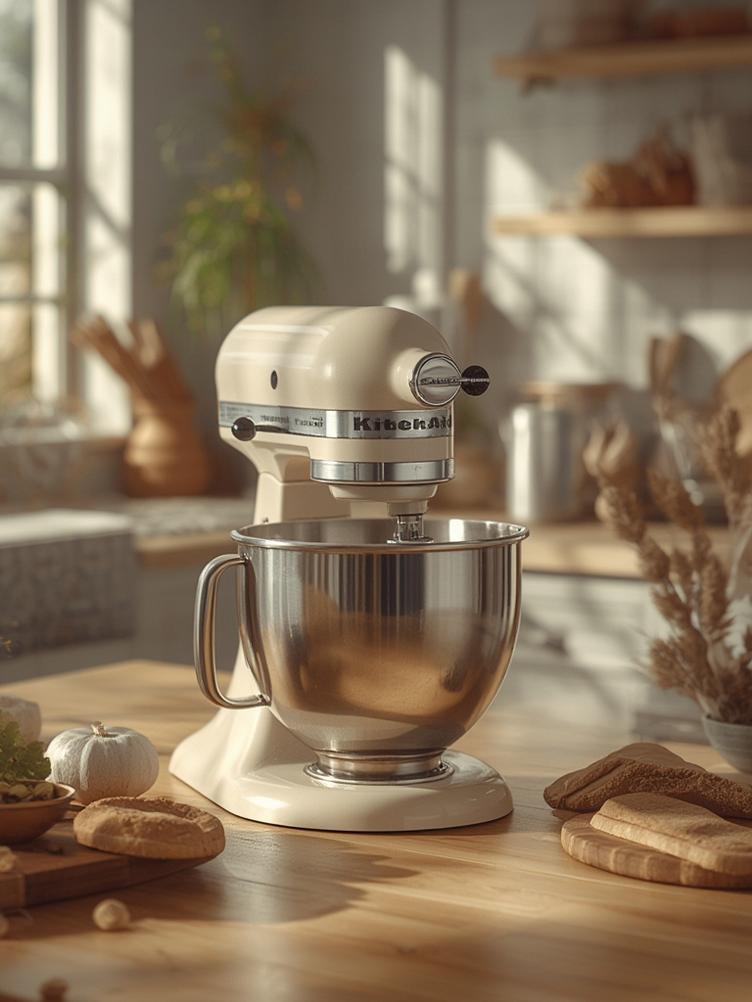
Materials and Supplies
Before you start creating magic in your kitchen let me share what you will need to get the most out of your stand mixer.
Essential Items
Stand Mixer Base Unit: This is your foundation. The motor and body house all the power you need for mixing kneading and whipping. Choose a model with at least 300 watts for everyday baking tasks.
Flat Beater: This attachment comes standard with most mixers and works perfectly for general mixing tasks like cake batters cookie dough and mashed potatoes. From my experience this is the attachment I reach for most often.
Wire Whip: Essential for incorporating air into your mixtures. Use it for whipping cream beating egg whites and making light fluffy frostings. The wire design maximizes air incorporation which is crucial for delicate recipes.
Dough Hook: A game changer for bread makers. This spiral or C shaped hook mimics hand kneading and develops gluten structure in bread dough without any arm strain.
Mixing Bowls: Most mixers come with a stainless steel bowl but having an extra bowl means you can prep multiple components without stopping to wash dishes.
Optional but Highly Recommended
Pouring Shield: This clear plastic shield fits on top of your bowl and prevents ingredients from flying out during mixing. It also has a chute for adding ingredients while the mixer runs. Trust me this saves so much cleanup time.
Additional Specialty Attachments: Think pasta rollers food grinders ice cream makers and spiralizers. These transform your mixer into a multi functional kitchen station.
Bowl Scraper: A flexible spatula that attaches to the beater shaft and continuously scrapes the bowl sides as it mixes ensuring even incorporation.
Possible Alternatives
Hand Mixer: If budget or counter space is tight a hand mixer can handle many basic tasks though it requires more effort and attention.
Food Processor: Good for certain mixing tasks but cannot replace a stand mixer for kneading dough or whipping egg whites to stiff peaks.
Manual Tools: Whisks wooden spoons and elbow grease can work in a pinch but they cannot match the consistency and ease of a stand mixer.
Step by Step Instructions
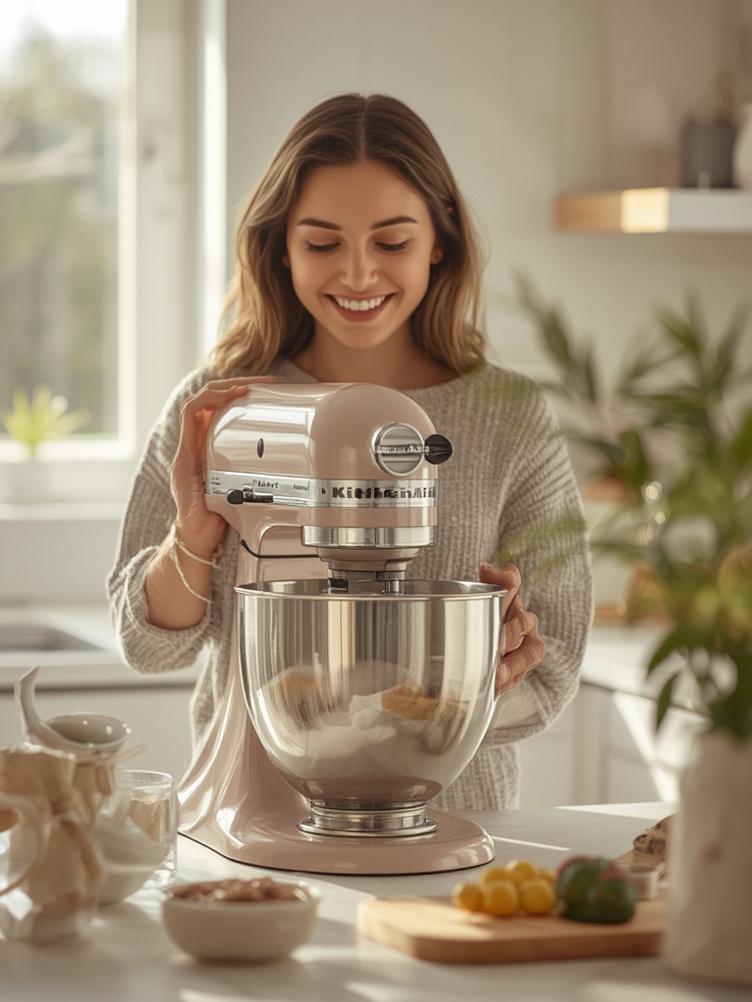
Let me walk you through the fundamental techniques that will help you master your kitchenaid stand mixer and unlock its full potential.
Step 1: Set Up Your Workspace Properly
Place your mixer on a stable flat surface away from the edge of your counter. Make sure there is adequate clearance above for the head to tilt back. I learned this lesson the hard way when I placed mine under a cabinet and could not fully open it.
Practical tip: Put a damp towel under the mixer base to prevent it from walking across the counter during heavy mixing.
Step 2: Attach the Correct Beater
Turn the mixer off and unplug it for safety. Tilt the head back or lower the bowl depending on your model. Slide the desired attachment onto the shaft and turn it clockwise until it locks into place. You should hear or feel a click.
Practical tip: Keep your attachments organized in a drawer or container near your mixer so they are always within reach.
Step 3: Add Ingredients in the Right Order
Generally start with your fats and sugars then add eggs and liquids before incorporating dry ingredients. This order ensures proper emulsification and prevents overmixing.
Practical tip: Have all ingredients at room temperature unless the recipe specifies otherwise as this promotes better blending and volume.
Step 4: Choose the Appropriate Speed
Start on the lowest speed setting to prevent ingredient splatter. Gradually increase speed as ingredients combine. Most recipes specify speed settings but as a rule use low for folding medium for general mixing and high for whipping.
Practical tip: Never start your mixer on high speed with dry ingredients in the bowl unless you want a flour cloud in your kitchen.
Step 5: Monitor Mixing Time
Pay attention to visual and textural cues rather than just timing. For example cookie dough should pull away from the bowl sides and bread dough should become smooth and elastic. Overmixing can lead to tough baked goods.
Practical tip: Set a timer but also watch the dough or batter closely especially when learning a new recipe.
Step 6: Scrape Down the Bowl
Stop the mixer periodically and scrape down the sides and bottom of the bowl with a spatula. Even with a bowl scraper attachment some ingredients can stick to the sides.
Practical tip: Use this opportunity to check the consistency and adjust if needed before continuing.
Step 7: Know When to Stop
Each recipe has different endpoints. Bread dough should pass the windowpane test where you can stretch a small piece thin enough to see light through it. Whipped cream should form stiff peaks that hold their shape.
Practical tip: It is better to slightly undermix and finish by hand than to overmix with the machine.
Step 8: Clean Immediately After Use
Unplug the mixer and remove attachments and bowl. Wash them in warm soapy water or place them in the dishwasher if they are dishwasher safe. Wipe down the mixer head and base with a damp cloth.
Practical tip: Do not immerse the mixer base in water and never spray it directly with water as moisture can damage the motor.
Advantages and Culinary Benefits
The benefits of incorporating a stand mixer into your kitchen routine extend far beyond simple convenience. From my experience this single appliance has expanded my cooking and baking capabilities in ways I never imagined.
Time Efficiency: Tasks that once took 15 minutes of continuous hand mixing now take just 3 to 5 minutes with consistent results. You can multitask while your mixer works freeing you up to prep other ingredients or clean as you go.
Consistent Results: The powerful motor maintains steady speed and pressure delivering uniform texture every time. No more unevenly mixed batters or inconsistently kneaded dough.
Physical Ease: Eliminate arm fatigue and repetitive strain. This is especially important if you bake frequently or have physical limitations that make manual mixing difficult.
Versatility Through Attachments: Beyond basic mixing the range of available kitchenaid mixer,kitchenaid attachments,kitchenaid accessories,kitchenaid mixer attachments, turns your mixer into a pasta maker meat grinder vegetable spiralizer and so much more. This consolidates multiple appliances into one space saving solution.
Professional Quality at Home: Achieve bakery quality results in your own kitchen. The consistent mixing action develops gluten properly incorporates air effectively and creams butter and sugar to the perfect fluffy consistency.
Healthier Homemade Options: Making food from scratch means you control every ingredient. No preservatives artificial colors or excessive sodium. You know exactly what goes into your family’s food.
Economic Savings: While the initial investment might seem significant making bread pasta and other staples at home saves money over time compared to purchasing premium store bought versions.
Environmental Benefits: Reduce packaging waste by making items from scratch rather than buying individually packaged goods. Plus you can choose organic and sustainably sourced ingredients.
Common Mistakes to Avoid
Let me share some pitfalls I encountered along my mixing journey so you can skip the learning curve.
Mistake 1: Using the Wrong Speed Setting
When I first got my mixer I thought faster was always better. I made this mistake myself when mixing delicate cake batter on high speed and ended up with a tough dense cake. The problem is that high speeds overdevelop gluten in tender baked goods.
Solution: Follow recipe speed recommendations carefully. Start low and increase gradually. Save high speeds for whipping cream or egg whites where you want maximum air incorporation.
Mistake 2: Overfilling the Bowl
I once tried to double a bread recipe and filled the bowl to the brim. The dough climbed up the hook and made a mess of the motor housing. The issue is that ingredients need room to move and combine properly.
Solution: Never fill the bowl more than halfway for bread dough or two thirds full for batters. If you need larger quantities mix in batches.
Mistake 3: Not Adjusting the Beater to Bowl Clearance
Many people do not realize the beater height is adjustable. If set too high it will not properly reach ingredients at the bowl bottom leaving pockets of unmixed flour or butter.
Solution: Check your manual for the adjustment screw location. The beater should nearly touch the bowl bottom without scraping it. A properly adjusted beater ensures thorough mixing.
Mistake 4: Ignoring Maintenance and Care
In my early days I never greased the mixer or checked for worn parts. Eventually I noticed the motor straining and unusual noises. Neglecting basic maintenance shortens your mixer’s lifespan.
Solution: Every few months check that all screws are tight wipe down the entire unit and lubricate moving parts if your model requires it. Consult your user manual for specific maintenance schedules.
Mistake 5: Adding All Flour at Once
Dumping an entire bag of flour into wet ingredients creates a dust storm and makes it nearly impossible to mix evenly. I learned this lesson the messy way.
Solution: Add flour gradually about one cup at a time on the lowest speed setting. Give each addition time to incorporate before adding more.
FAQs
How long do stand mixers typically last?
With proper care and maintenance a quality stand mixer can last 15 years or even longer. I know people still using mixers from the 1980s. The key is regular cleaning appropriate use and occasional professional servicing if needed. Avoid overloading the motor and follow manufacturer guidelines.
Can I use my mixer for heavy dough?
Most stand mixers handle standard bread dough well but check your model’s specifications. If you regularly make dense whole grain breads or large batches look for models with higher wattage motors rated for heavy duty use. From my experience a 325 watt motor handles most home baking needs comfortably.
Are the attachments dishwasher safe?
Most stainless steel bowls and attachments are dishwasher safe but always verify in your user manual. Some coated attachments may require hand washing to preserve their finish. I prefer hand washing to extend the life of my attachments even though mine are dishwasher rated.
What size mixer do I need for my household?
For most home bakers a 4.5 to 5 quart capacity works perfectly. It handles everything from single cake layers to double bread recipes. Larger families or serious bakers might prefer 6 to 7 quart models. Smaller 3.5 quart versions suit singles or couples who bake occasionally.
Why does my mixer smell hot during use?
A slight warm smell during the first few uses is normal as the motor breaks in. However if you notice burning smells or excessive heat stop immediately. This might indicate an overloaded motor or mechanical issue. Let it cool completely and reduce the batch size or contact customer service.
Tips and Alternative Methods
Let me share some creative ways to maximize your mixer’s potential and adapt to different situations.
For Small Kitchens: Consider a tilt head model rather than a bowl lift as it requires less vertical clearance. Store attachments in a nearby drawer and keep the mixer on the counter if you use it weekly or find a dedicated cabinet space with an appliance lift for easy access.
Budget Friendly Approach: Start with the basic mixer and standard attachments. As your skills grow invest in specialty attachments one at a time based on what you actually use most. Watch for holiday sales when these items often see significant discounts.
For Beginners: Master the three basic attachments first before exploring specialty ones. Start with simple recipes like chocolate chip cookies basic white bread and whipped cream to build confidence. Keep a notebook of your settings and observations for future reference.
Professional Level Techniques: Use the mixer for less common tasks like shredding cooked chicken making compound butter emulsifying vinaigrettes or even mixing meatloaf. The pasta roller attachment produces restaurant quality fresh pasta at a fraction of the cost.
Innovative Ideas: Freeze your mixer bowl for 15 minutes before whipping cream for faster more stable results. Use the mixer to cream together herb and garlic butter for an elevated spread. Make your own nut butters with the food grinder attachment.
Seasonal Adaptations: In summer make homemade ice cream bases and fresh fruit sorbets. During fall tackle apple butter and pumpkin breads. Winter is perfect for holiday cookies and enriched doughs while spring calls for light airy cakes and meringues.
Conclusion
Throughout this guide we have explored how a kitchenaid stand mixer can truly transform your baking experience and expand your culinary horizons. From understanding the essential attachments and supplies to mastering step by step techniques we have covered everything you need to confidently use this powerful kitchen tool.
The advantages are clear. You save time and physical effort while achieving professional quality results with consistent texture and perfect incorporation. Whether you are kneading bread dough whipping meringue or mixing cookie batter this versatile appliance handles it all with ease. Add to that the incredible range of kitchenaid mixer,kitchenaid attachments,kitchenaid accessories,kitchenaid mixer attachments, available and you have a complete kitchen system that grows with your skills.
We have also discussed common mistakes to help you avoid frustration and maximize the lifespan of your investment. Remember to use appropriate speeds avoid overfilling the bowl and maintain your mixer regularly. These simple practices ensure years of reliable service.
Now it is your turn to take action. Start with simple recipes to build your confidence then gradually explore more complex techniques. Share your baking successes with family and friends. Join our community at CookEasy to discover more kitchen tool reviews helpful guides and delicious recipes that make the most of your equipment.
Final Verdict and Overall Recommendation
If you are serious about elevating your baking and cooking game investing in a quality stand mixer is one of the best decisions you can make for your kitchen. The time savings consistent results and sheer versatility make it invaluable for anyone who loves creating homemade food.
After years of using various kitchen appliances I can confidently say that a stand mixer delivers exceptional value and performance. It is not just about convenience. It is about unlocking your full potential as a home cook and baker.
Ready to transform your kitchen experience? Do not wait any longer. Click here to get your own KitchenAid Stand Mixer and start creating bakery quality treats right in your own home. Your future self will thank you every time you effortlessly whip up perfect cookies fluffy cakes and artisan breads. Take the first step toward culinary confidence today.