
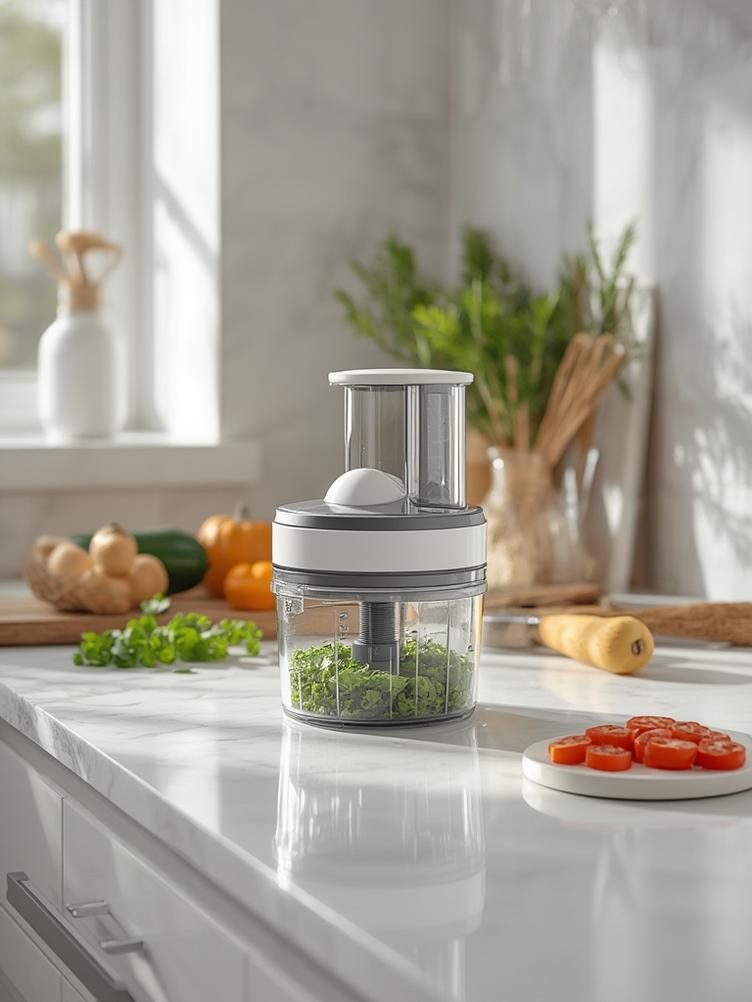
Best Way to Grow 5 Uses for Your Vegetable Chopper
Introduction
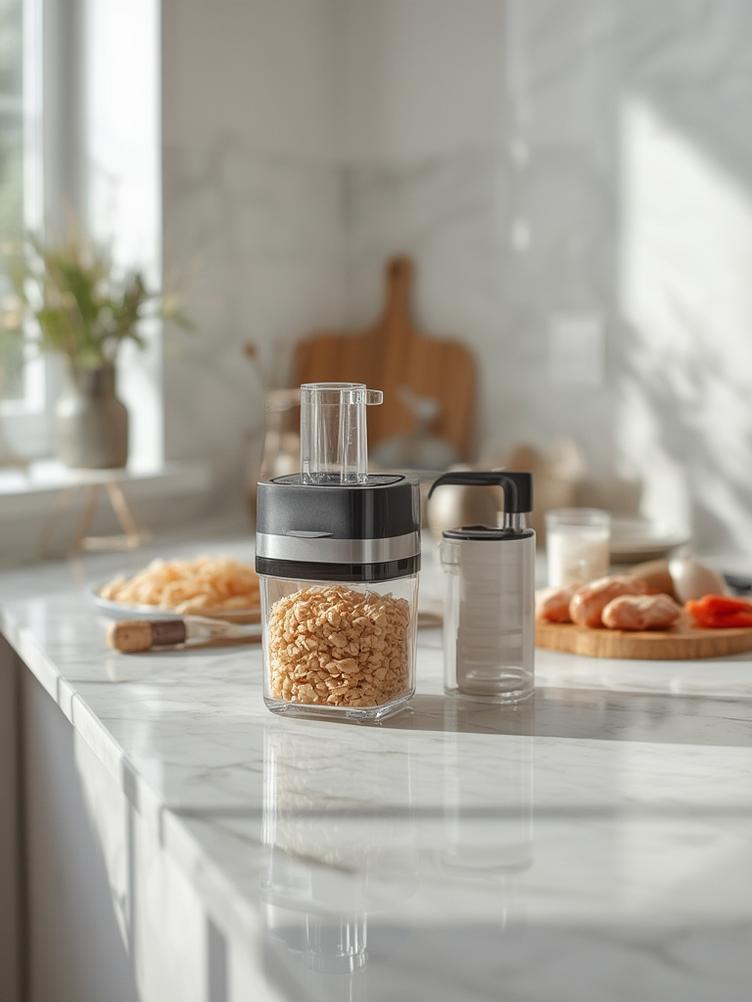
Have you ever spent way too much time dicing onions, chopping herbs, or slicing carrots for a meal that was supposed to be quick? Let me tell you something I learned the hard way in my own kitchen – the right tools make all the difference. Instead of wrestling with a dull chef’s knife and ending up with uneven pieces, a good Vegetable Chopper can save you time, effort, and even a few tears.
In this guide, we’ll explore not only how to grow your kitchen skills with a reliable Vegetable Chopper but also 5 top uses you may not have thought of yet. And if you’re looking for something even more hands-free, I highly recommend checking out an Electric Vegetable Dicer too. Stick around as we cover everything from step-by-step use, smart buying tips, care advice, and even mistakes I’ve made so you don’t have to repeat them.
Materials & Supplies
To get the most out of your Vegetable Chopper, let’s first talk about the essentials and extras that go along with it.
Essential Items:
-
- A sharp Vegetable Chopper is your core tool. The blades should be strong, durable, and easy to clean.
-
- A stable cutting board prevents slipping and protects your countertop.
-
- Fresh vegetables are key, but don’t worry – almost any variety works depending on your recipe.
Optional Items:
-
- Small prep bowls help separate chopped items and keep your work area tidy.
-
- A brush or scraper comes in handy to get food off blades quickly without hurting your fingers.
Possible Alternatives:
-
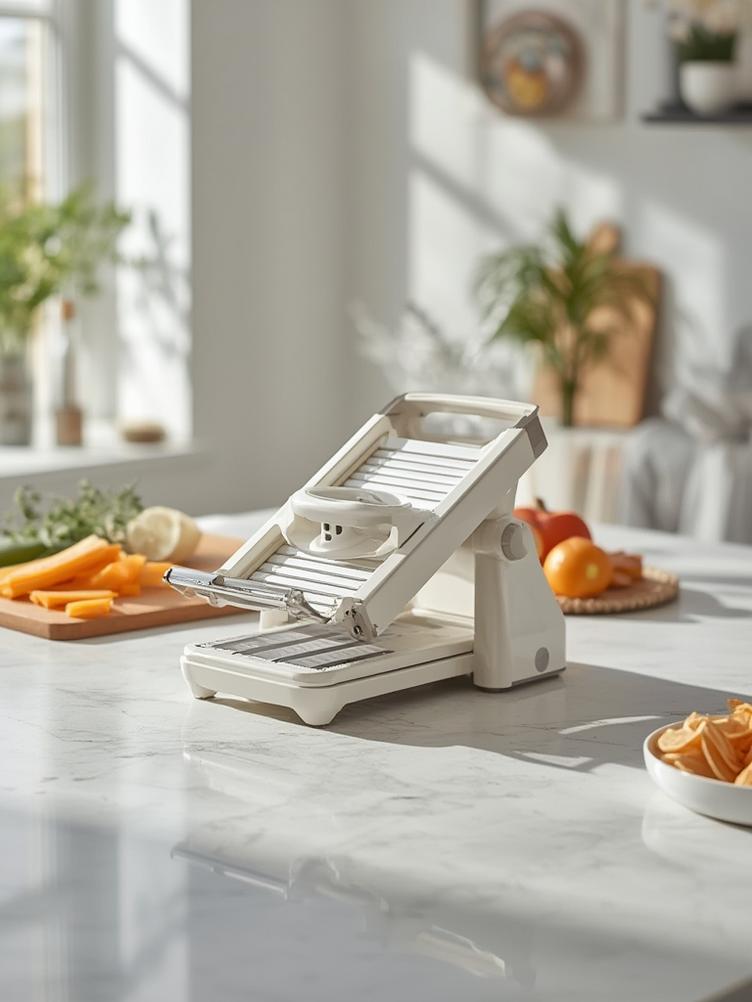
- If you’re tight on space or budget, a food processor or mandoline slicer might work temporarily, but they won’t give you that same manual precision and portability of a chopper.
From my experience, starting with just the basics and building your kitchen tool collection over time makes more sense than going all-in at once.
Step-by-Step Instructions
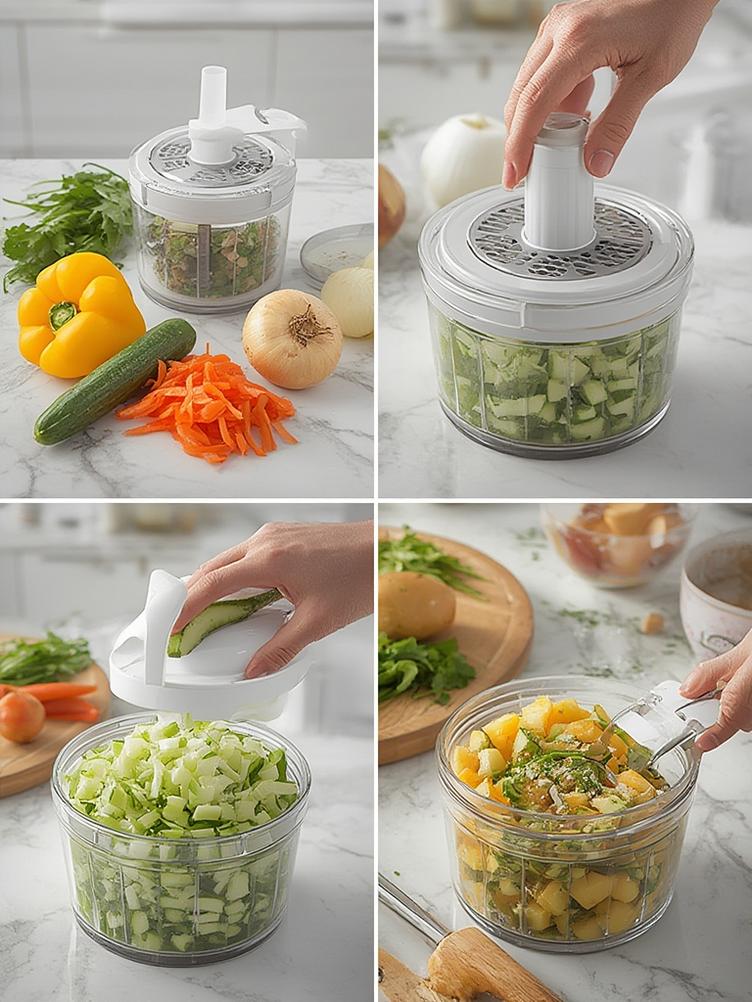
Here’s how to make the most from your Vegetable Chopper:
-
- Wash and prep your vegetables: Remove stems, seeds, or peels before putting anything into the chopper. You’d be surprised how much texture can change if you skip this. Pro tip: Try slicing away from the core first when chopping onions – it helps reduce tears.
-
- Load safely into the bowl: Never press down too hard or load more than recommended. Have I broken a blade from overpacking? Yes, and it’s frustrating – trust the recommended quantities to extend your tool life.
-
- Crank or press firmly (but not aggressively): Most manual models require a firm motion in either direction. Automatic versions like the electric dicer are perfect if you’re multitasking or cooking for crowds.
-
- Check for consistency: Pause halfway and stir to ensure even sizes. I once chopped potatoes unevenly because I assumed they’d stay upright inside the chopper.
-
- Store or serve immediately: Once done, transfer into storage containers or directly into pans for sautéing. For leftovers, storing prepped veggies in airtight bags saves even more time the next day.
Using an Electric Vegetable Dicer streamlines this even further – especially if you’re meal prepping or making large batches. One afternoon, while making a soup for eight people, I realized how much time I save by switching to an electric model. It did six times the prep in one-third the time.
Advantages & Culinary Benefits
When I first tried using a Vegetable Chopper regularly, I got hooked not only for efficiency but also safety. Think about how often small cuts happen from holding ingredients while chopping by hand – these tools eliminate 90 percent of that risk.
Here’s how a Vegetable Chopper boosts your cooking game:
-
- Time saver – 30 minutes of meal prep becomes 10 minutes of effort.
-
- Consistent results – Uniform dicing means even cooking across your dishes.
-
- Easier on joints – Less chopping action = better wrist and elbow protection for aging cooks or those with arthritis.
-
- Encourages healthy habits – Prepping more fresh produce becomes easy, so salads, stir-fries, and roasted meals pop up more often in the fridge.
-
- Budget friendly – Using seasonal produce and chopping at home slashes fast-food snacking bills down dramatically.
We also tend to waste less food when we prep thoroughly. Instead of tossing wrinkled bell peppers or yellowing spinach, two minutes in the Vegetable Chopper lets me turn odds-and-ends into a quick hash or salad topping.
Common Mistakes to Avoid
Now let’s talk about the things I wish someone told me when I started with vegetable chopping tools.
Mistake #1: Overfilling the chamber
This slows the process and puts stress on sharp parts. Always leave room for movement at the top.
Mistake #2: Skipping cleaning after use
I left chunks sitting too long once – cleaning takes twice as long then. A quick rinse and towel dry keeps tools ready for next time.
Mistake #3: Using on frozen foods or very hard items
The blades aren’t designed for those. Stick to firm, room temperature produce only.
Mistake #4: Throwing anything we see online into the chopper
Some plastic lids and bowl attachments can clog jam up the blades unexpectedly. Check what your model is built to handle.
Mistake #5: Ignoring maintenance
Every three months, I give mine a gentle oiling or deep cleaning. Trust me, older tools deserve attention too.
FAQs
What materials are used in modern Vegetable Choppers?
Most high-quality ones combine BPA-free plastic and stainless steel blades. Some even offer ergonomic handles.
Does an Electric Vegetable Dicer perform better than a regular model?
Depends on usage patterns. If you cook large meals often, electric ones save hours every week.
Can these tools go in the dishwasher?
Typically yes, but always refer to your product manual to increase longevity.
How long can a chopper last?
With good care, mine lasted four years. Replace blades annually or when they begin to pull apart pieces unevenly.
Will a Vegetable Chopper fit in small kitchens?
Absolutely. They’re usually hand-sized and take less counter space than your average mug collection.
Tips & Alternative Methods
If you’re living in tight spaces like dorm rooms or RV kitchens, don’t overlook collapsible prep options. You can also invest in stackable tubs to store multiple chopped veggies for weekly meal routines.
Beginner tip: Start with softer fruits like tomatoes before working up to root vegetables.
Professional tip: Pair cold ingredients with pre-chilled blades for almost restaurant-ready cuts.
Budget-friendly alternative: Use just a metal strainer and rolling pin method – not precise, but surprisingly effective in emergencies.
Innovative idea: Some sous vide users mix blanched chopped vegetables into casserole dishes for extra flavor depth without added fat.
For large kitchen setups, investing in both electric and traditional models adds redundancy – best of both worlds.
Conclusion

There’s a noticeable difference between tired evenings spent fighting unwieldy equipment and invigorating cooking sessions powered by a proper toolset. A quality Vegetable Chopper brings back joy into part of the kitchen routine many love to avoid – chopping!
Adding an Electric Vegetable Dicer into your setup enhances it further, letting you focus on creativity rather than prep time. Improve not just how fast you cook, but also how satisfying and nutritious each dish turns out.
Ready to take your cooking to the next level? Try out some of these hacks today and share your favorite recipes using perfectly chopper-prepped veggies below.
Final Verdict & Overall Recommendation
If you care about food quality, safety, and saving precious moments in the kitchen, get a good Vegetable Chopper, and maybe pair it with an Electric Dicer too. This isn’t just another gadget collecting dust. It becomes your co-pilot in enjoying homemade cooking.
Grab yours now through our affiliate link and see the difference it makes for yourself!