
Best way to grow the perfect pepper mill
Best Way to Grow the Perfect Pepper Mill
Introduction
Have you ever found yourself frustrated in the middle of cooking when your old pepper mill just stops working or gives you uneven grinds? I know that feeling all too well. A quality pepper mill can make all the difference in your kitchen. From my experience, using a reliable electric salt and pepper grinder, pepper grinder set, electric salt grinder has completely transformed how I season my dishes. In this guide, I will walk you through everything you need to know about selecting and maintaining the perfect pepper mill for your cooking needs. We will cover the essential materials, step by step instructions for optimal use, common mistakes to avoid, and practical tips that will elevate your culinary game.
Materials and Supplies
Before we dive into the process, let me tell you about the tools and supplies you will need to get the best results from your pepper mill.
Essential Items
Quality Pepper Mill
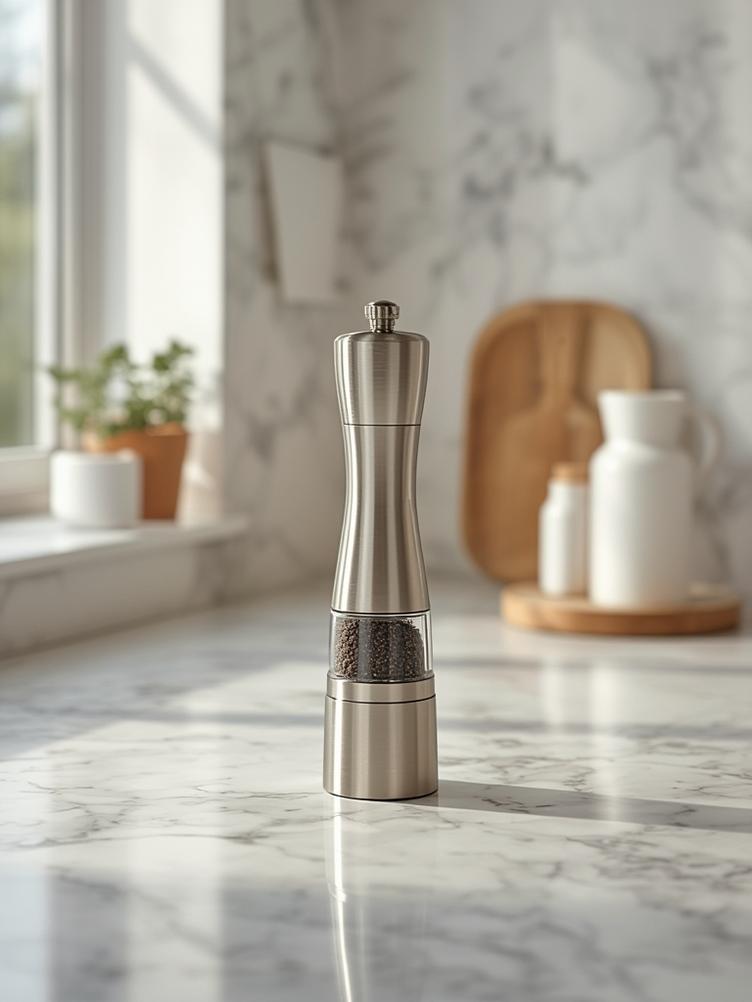
The foundation of great seasoning starts here. Look for models with adjustable coarseness settings and durable grinding mechanisms. Ceramic or stainless steel grinders work best in my experience.
Fresh Whole Peppercorns
Never use pre ground pepper if you want maximum flavor. Black, white, or mixed peppercorns all work beautifully. Trust me, fresh makes a huge difference.
Cleaning Brush
A small brush helps remove residue from the grinding mechanism. This keeps your mill running smoothly for years.
Optional Items
Multiple Grinder Set
Having separate mills for different spices prevents flavor mixing. A dedicated salt grinder alongside your pepper mill offers convenience during cooking.
Storage Container
Keep your peppercorns fresh in an airtight container away from direct sunlight. This preserves their aromatic oils.
Grinder Stand
A simple stand keeps your countertop organized and your grinders easily accessible.
Possible Alternatives
Manual vs Electric Options
While manual mills offer traditional charm and control, electric versions provide one handed operation. Both have their place depending on your cooking style and physical comfort.
Acrylic vs Wood vs Stainless Steel
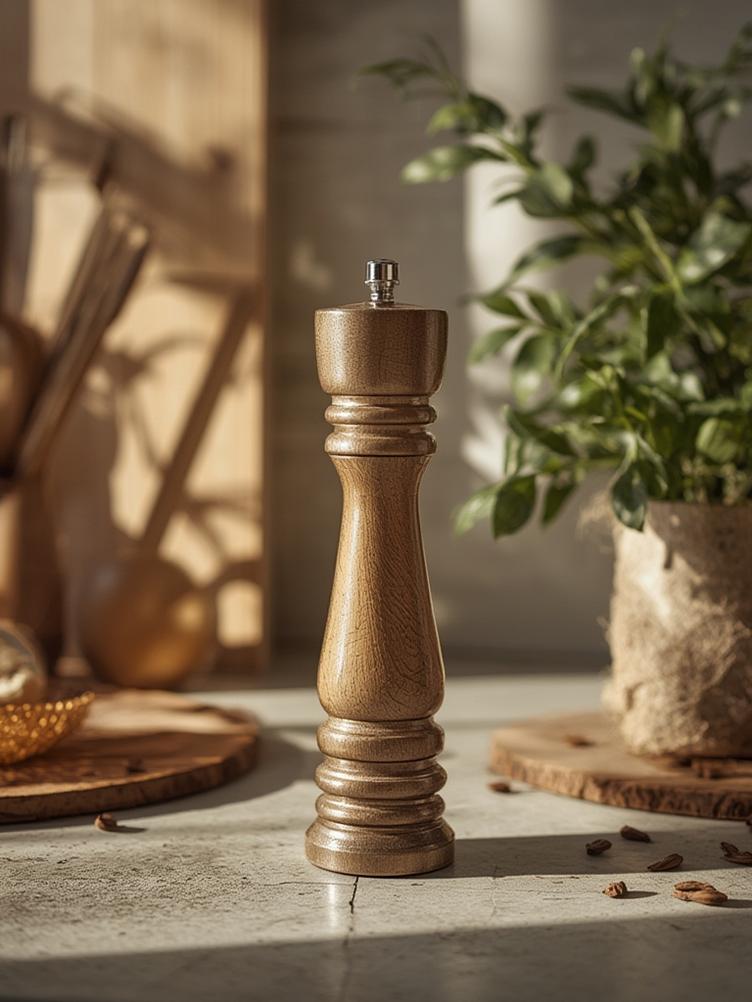
Each material has benefits. Wood looks classic, acrylic lets you see pepper levels, and stainless steel offers modern durability.
Step by Step Instructions
Let me walk you through the proper way to set up and use your pepper mill for perfect results every time.
Step 1: Choose the Right Peppercorns
Select high quality whole peppercorns from a reputable source. Check that they are dry and have a strong aroma when you open the package.
Tip: Buy smaller quantities more frequently to ensure maximum freshness rather than storing large amounts for months.
Step 2: Fill Your Mill Properly
Remove the top mechanism and fill the chamber about three quarters full. Leave some space for the peppercorns to move freely during grinding.
Tip: Do not overfill as this can jam the mechanism and reduce grinding efficiency.
Step 3: Adjust the Coarseness Setting
Most quality mills have an adjustment knob at the top or bottom. Turn it to find your preferred grind from fine powder to coarse chunks.
Tip: For steak and roasted vegetables I prefer a coarser grind while soups and sauces benefit from finer pepper.
Step 4: Test the Grind
Hold the mill over a small plate and turn or press to dispense pepper. Check the consistency and adjust if needed.
Tip: Make adjustments before you start cooking so you are not fumbling with settings while managing hot pans.
Step 5: Position Correctly While Grinding
Hold the mill at least 6 to 8 inches above your food. This allows even distribution and prevents clumping in one spot.
Tip: Use a circular motion while grinding to spread the pepper more evenly across your dish.
Step 6: Clean Regularly
Every few weeks, empty any remaining peppercorns and brush out the grinding chamber. Wipe the exterior with a damp cloth.
Tip: Never submerge your pepper mill in water as moisture can damage the grinding mechanism and cause rust.
Step 7: Store in a Dry Place
Keep your mill away from the stove and sink where steam and moisture can accumulate.
Tip: A cool dry cupboard or countertop spot away from heat sources works perfectly.
Step 8: Refill Before Empty
Do not wait until your mill is completely empty. Refill when about one quarter full to maintain consistent performance.
Tip: Running a mill completely dry can sometimes cause the mechanism to slip or wear unevenly.
When using an electric salt and pepper grinder, pepper grinder set, electric salt grinder, remember to check battery levels regularly and keep the electronic components away from moisture.
Advantages and Culinary Benefits
Using a quality pepper mill in your kitchen offers benefits that go far beyond simple convenience.
Superior Flavor Profile
Freshly ground pepper releases essential oils that pre ground versions have already lost. The difference in taste is remarkable. I can honestly say my dishes improved dramatically when I switched to grinding fresh.
Customizable Texture
Adjustable settings let you match the grind to your recipe. Coarse pepper adds texture to rubs and marinades while fine grinds blend seamlessly into sauces and dressings.
Time Efficiency
A good mill grinds quickly and consistently. You spend less time wrestling with poor quality tools and more time actually cooking.
Health and Safety Benefits
Fresh ground pepper contains more antioxidants and beneficial compounds than stale pre ground alternatives. You also control exactly what goes into your food with no added anti caking agents.
Economic Advantages
Whole peppercorns cost less per ounce than pre ground pepper and last much longer when stored properly. Your initial investment in a quality mill pays for itself.
Environmental Impact
Buying whole peppercorns in bulk reduces packaging waste compared to multiple containers of pre ground pepper.
Common Mistakes to Avoid
Let me share some errors I have seen and made myself so you can skip the frustration.
Mistake 1: Using Old or Low Quality Peppercorns
The problem here is that stale peppercorns produce flat tasteless pepper no matter how good your mill is. I made this mistake myself when I bought a huge container thinking I was saving money.
Solution: Purchase fresh peppercorns in smaller quantities and store them in airtight containers away from light and heat.
Mistake 2: Never Cleaning the Mill
Residue buildup can affect both flavor and performance. Old pepper dust can turn rancid and contaminate fresh grinds.
Solution: Clean your mill every month by emptying it completely and brushing out the chamber. A quick wipe down of the exterior keeps everything fresh.
Mistake 3: Grinding Directly Over Steam
Moisture from cooking pots can enter the mill and cause clumping or rust. Trust me, I learned this the hard way.
Solution: Grind pepper into your hand first or onto a small plate, then add it to your cooking. This protects your mill from steam damage.
Mistake 4: Forcing a Jammed Mill
Sometimes a peppercorn gets stuck or the mechanism jams. Forcing it can break internal parts.
Solution: If your mill jams, empty the peppercorns and check for debris or damaged corns. Gently work the mechanism back and forth to clear blockages.
Mistake 5: Storing in Humid Environments
Bathrooms, near sinks, or above stoves are terrible places for pepper mills. Humidity affects both the peppercorns and the grinding mechanism.
Solution: Keep your mill in a dry cupboard or on a section of counter away from moisture sources.
FAQs
How long do peppercorns stay fresh in a mill?
Whole peppercorns can maintain their flavor for about one year when stored properly in a sealed mill. However, for peak flavor, I recommend using them within six months. Once ground, pepper starts losing potency within minutes, which is why fresh grinding makes such a difference.
Can I put salt in a pepper mill?
Generally no. Salt is corrosive and can damage grinding mechanisms designed for peppercorns. The exception is mills specifically designed to handle both, often sold as dual purpose grinders. Always check manufacturer specifications before mixing uses.
What is better ceramic or metal grinding mechanism?
Ceramic mechanisms resist corrosion better and do not absorb flavors or odors. Metal mechanisms, particularly stainless steel, are extremely durable and handle hard spices well. From my experience, ceramic works wonderfully for pepper while metal excels with tougher spices. Both can last for years with proper care.
How do I know when to replace my pepper mill?
Signs include inconsistent grinding, visible damage to the mechanism, parts that no longer adjust properly, or persistent jamming despite cleaning. A quality mill should last many years, but eventually wear occurs. If repairs cost nearly as much as replacement, it is time for a new one.
Are electric pepper mills worth the investment?
If you cook frequently or have hand mobility issues, absolutely yes. Electric models offer one handed operation and consistent results. However, they require batteries or charging and cost more upfront. Manual mills give you complete control and never need power. Choose based on your specific cooking habits and physical needs.
Tips and Alternative Methods
For Small Kitchens
Consider a compact mill or a combination set that serves multiple purposes. Magnetic backed models can attach to your refrigerator, saving valuable counter space. Slim profile mills fit easily in drawers when not in use.
Budget Friendly Options
Start with a reliable mid range manual mill rather than the cheapest option. A twenty dollar investment in quality will outlast three five dollar mills. Watch for sales on reputable brands and read reviews carefully.
For Beginners
A simple manual mill with clear adjustment markings is your best friend. Practice with inexpensive peppercorns first until you get comfortable with grind settings and techniques. Do not feel pressured to buy expensive equipment right away.
For Professional Use
Invest in commercial grade mills with metal mechanisms and large capacity chambers. Having backup mills prevents workflow interruptions. Label mills clearly if you use them for different spices.
Innovative Techniques
Try grinding pepper directly onto a cutting board before chopping herbs. The pepper clings to the herbs and distributes more evenly. You can also grind pepper into olive oil for finishing dishes, creating an aromatic drizzle.
Alternative Uses
Quality pepper mills can grind other whole spices like coriander seeds, allspice berries, and dried herbs. Just dedicate separate mills to prevent flavor transfer. Some people even use them for coarse sea salt if the mechanism is salt safe.
Conclusion
Mastering the use of a proper pepper mill truly elevates your cooking from ordinary to extraordinary. We have covered everything from selecting quality peppercorns to avoiding common mistakes that can shorten your mill’s lifespan. The investment in a good electric salt and pepper grinder, pepper grinder set, electric salt grinder pays dividends in flavor, convenience, and cooking enjoyment. Remember to keep your mill clean, use fresh peppercorns, and adjust settings to match your recipes. I encourage you to experiment with different pepper varieties and grind sizes to discover what works best for your personal cooking style. Share your favorite pepper mill tips in the comments below and explore more kitchen tool reviews on our site to continue improving your culinary skills.

Final Verdict and Overall Recommendation
After years of testing various kitchen tools, I can confidently say that investing in a quality pepper mill ranks among the top improvements you can make to your cooking setup. The difference between freshly ground and pre ground pepper is night and day. If you are ready to transform your seasoning game and bring restaurant quality flavor to your home cooking, I highly recommend checking out this premium pepper mill selection. These models offer exceptional durability, adjustable grinding mechanisms, and the kind of performance that makes cooking more enjoyable every single day. Do not settle for stale pre ground pepper when fresh flavor is just a grind away. Make the upgrade today and taste the difference in every dish you create. Your taste buds will thank you.