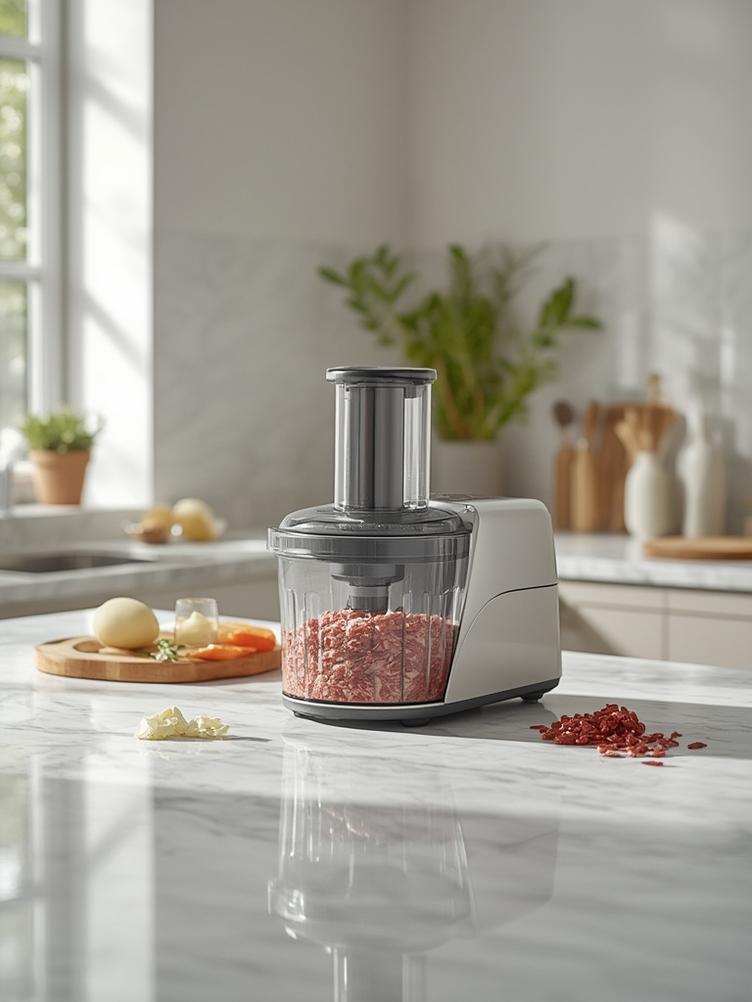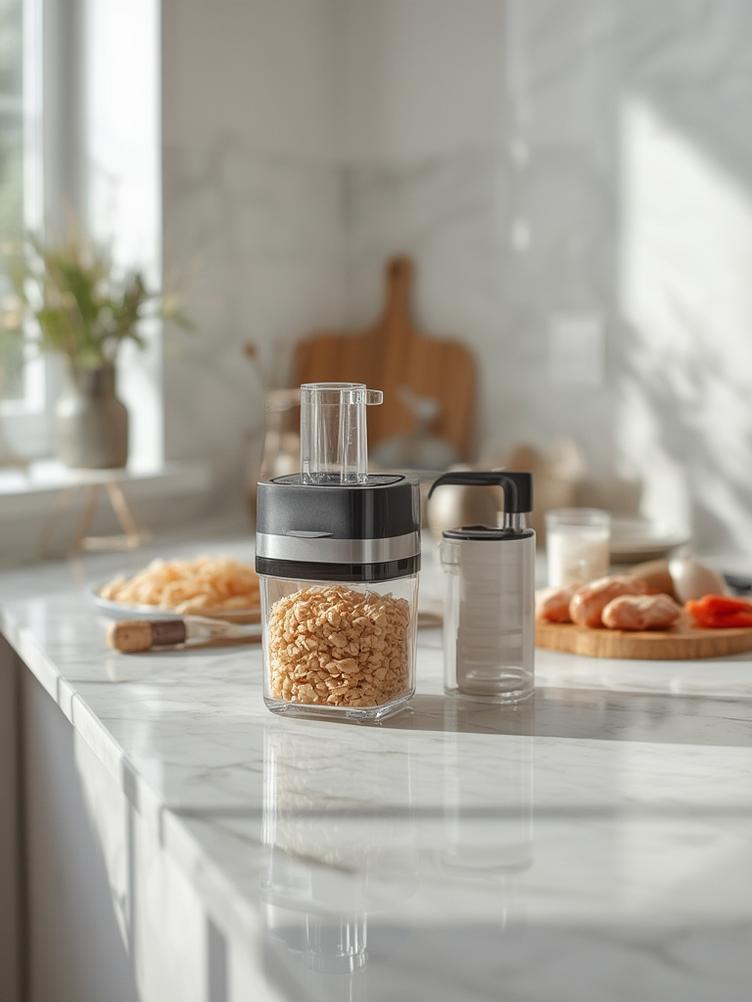

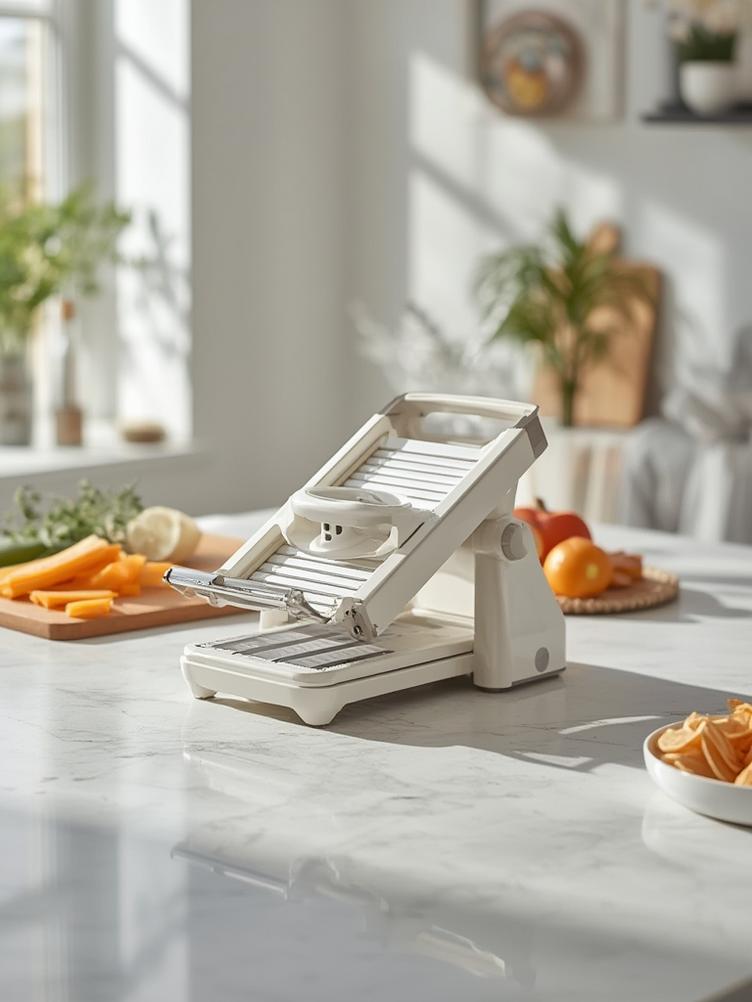
Proven way to grow with Mandoline Slicer
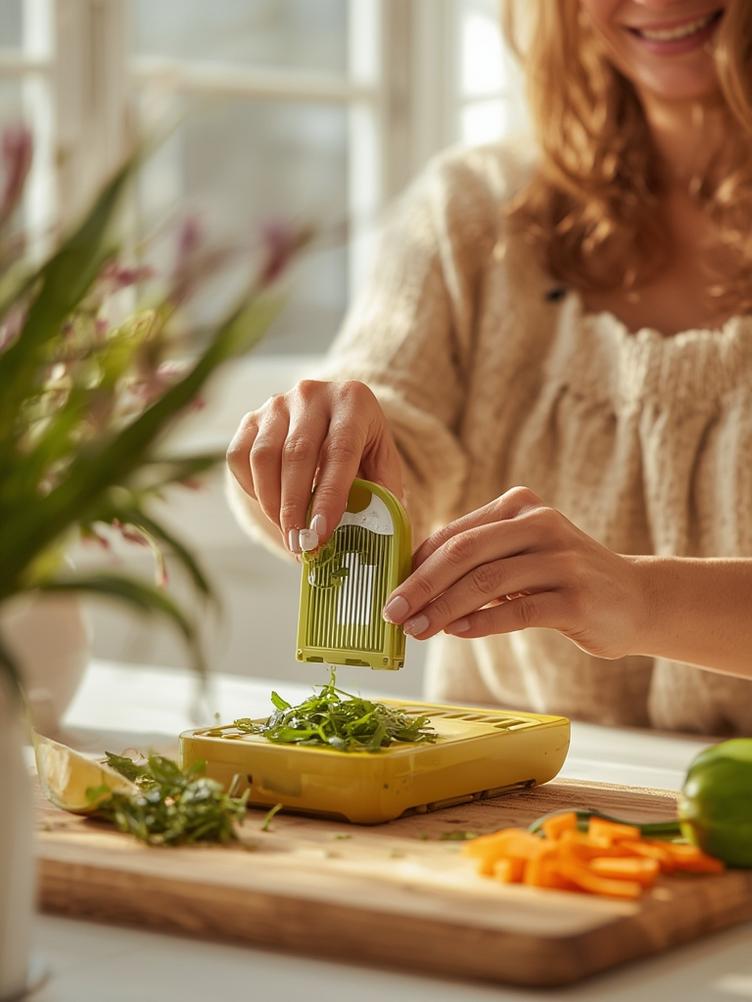
Mandoline Slicer is one of the best kitchen tools I’ve ever added to my countertop lineup. If you’ve ever wondered how some people make those perfectly sliced veggies in no time flat, the secret lies in using quality equipment like a good vegetable slicer. Whether you’re meal prepping for the week or making a fancy platter, using the right Mandoline Slicer and vegetable slicer can speed up your process while giving impressive results. In this post, we will walk through how to grow your slicing skills with the Mandoline Slicer, the tools you’ll need, common mistakes to avoid, and some pro tips I’ve picked up over the years.
Introduction
Have you ever spent way too long slicing carrots only to end up with pieces that don’t even look like they’re from the same vegetable? Or worse, come close to slicing your finger in the process? Trust me, I’ve been there. It wasn’t until I discovered how much easier things got with the right kitchen tools that cooking felt less like work and more like fun. The Mandoline Slicer is such a game-changer because it slices everything evenly, quickly, and safely when used correctly. In this article, we’ll dive into everything you need to know to use your Mandoline Slicer effectively, so your slicing game reaches professional levels without stepping into a restaurant kitchen.
Materials & Supplies
Before diving into how to get the most out of your Mandoline Slicer, lets talk about what you’ll need. Here’s a breakdown of essential items, along with some optional add-ons that might help depending on your setup:
Essential Items:
- A high quality Mandoline Slicer – mine comes with adjustable blades and an ergonomic handle for comfort
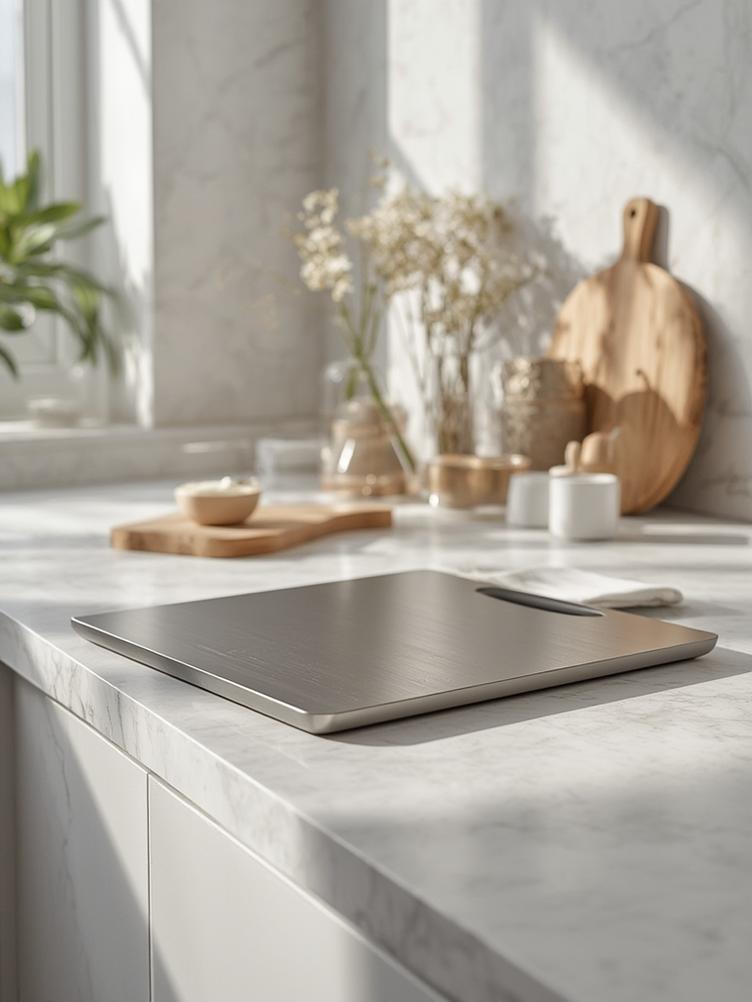
- Firm cutting board – wood or plastic both work, but make sure it sits flat on your counter
- Rubber guard or food holder – absolutely necessary for safety
- Clean knife or fork for scraping – avoid using your hands when placing vegetables
Optional Items:
- Mandoline Slicer stand or storage box – to protect the blades during cleaning and storage
- Extra replacement blades – especially helpful if you do lots of slicing regularly
- Vegetable peeler – come in handy while preparing produce for slicing
Possible Alternatives:
- Basic box-style vegetable slicer – great budget-friendly alternative
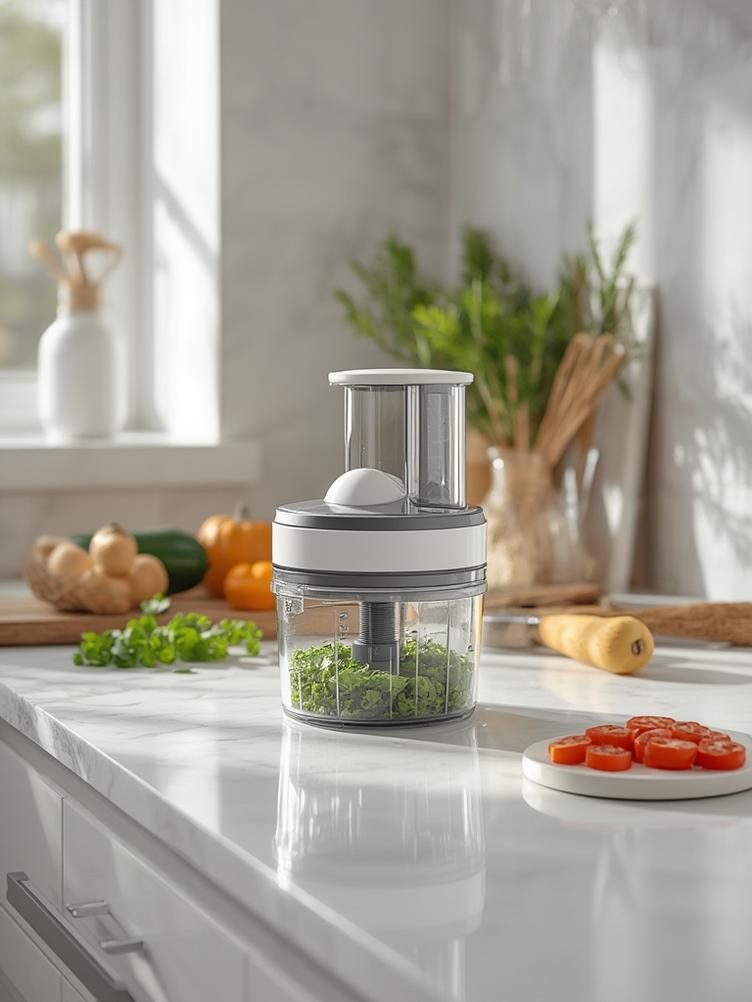
- Food processor with slicing disc attachment – works well when dealing with large volumes
Trust me, having these ready makes the whole experience smoother and safer than trying to wing it with a makeshift setup. My first attempts at slicing were trial by fire (literally a few close calls), but once I had all the right tools in place, it became muscle memory.
Step by Step Instructions
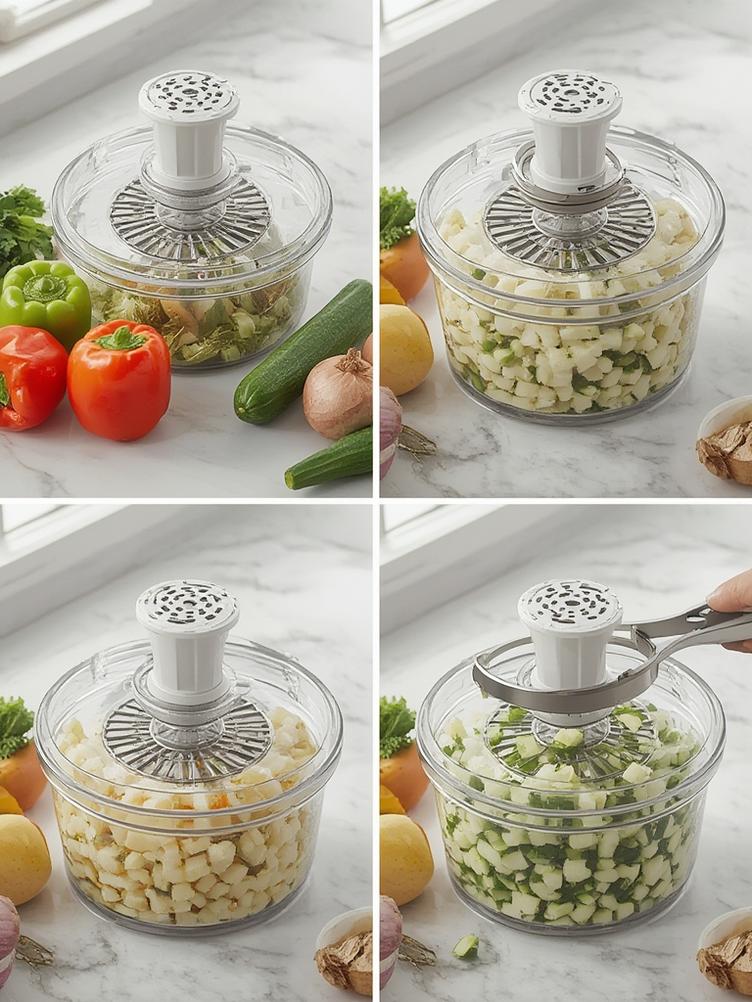
Now that we have everything together, let’s dive into the real action.
- Set up your workspace: Place your cutting board and vegetable slicer directly in front of you. Turn on good lighting or position near a window poor light leads to poor cuts
- Adjust the blade settings: Not all vegetables require the same thickness. For example, zucchini may be best at 1 8th inch, whereas cabbage needs a thicker cut for coleslaw
- Secure your vegetable: Always use the rubber guard to hold your food as you push it through. If you’re slicing something small like cherry tomatoes, skip the slicer and use a paring knife instead
- Begin slicing: Push gently and steadily forward, not in jerky motions. This keeps slices uniform and prevents jamming or binding of the blade
- Clean and store: After use, always remove the blade carefully and wash by hand. Never put your vegetable slicer in the dishwasher unless manufacturer approved
From my experience, taking just a few minutes to prep properly and staying mindful while slicing makes an enormous difference in your final product. I used to hate slicing rounds of beetroots evenly until I slowed down and stopped rushing the process. That helped me produce crisp, restaurant-style salads every time.
Advantages & Culinary Benefits
The first benefit that jumps out is time literally minutes saved every day adds up to hours throughout the year. But even beyond that, there are big wins here in terms of form and function.
- Even cooking: When your slices are consistent, they cook evenly in salads, stir-fries, and gratins
- Reduced waste: A good vegetable slicer uses every bit of your vegetables think thin fennel ribbons or shredded sweet potatoes for sweet potato fries
- Safer slicing: Using a Mandoline Slicer with a hand guard keeps your fingers safe, making slicing far less stressful
- Better meal prep: Cooking in batches becomes easier when ingredients prep faster and more consistently
Health-wise, think about all the raw food recipes and superfoods that benefit from precision slicing. Avocado toast, carpaccio-style veggies, or deconstructed beet and ricotta bowls call for fine slicing that’s nearly impossible by hand.
Another cool advantage is that you start enjoying the visual appeal of homemade dishes more. Presentation matters, and consistency translates to edible eye candy that guests will remember.
Common Mistakes to Avoid
I made most of these by accident early on, so believe me, learning them now will save you time, blood, and frustration.
- Slicing without the hand guard: I once sliced the tip of my thumb while attempting to julienne onions. Lesson learned fast
- Trying to slice soft or unripe produce: Your ordinary supermarket tomato isn’t dense enough for most Mandoline Slicers. Try firmer fruits like pears or apples instead
- Using the wrong blade for the task: Some blades are sharper than others. A V-blade isn’t ideal for herbs; a straight slicing blade works better
- Cleaning in the sink: Dropping it in water makes rusting nearly inevitable. Wash with soap under running water and dry immediately
- Storing improperly: Leaving a Mandoline Slicer loose in a drawer or stacking it with knives causes blade dulling or damage
Setting a dedicated spot with a simple storage container or tray helps avoid those mishaps and keeps your slicer in perfect shape.
FAQs
Are Mandoline Slicers hard to clean?
Nope! Most models feature removable parts that can be taken apart and washed separately. Just stay away from dishwashers unless explicitly stated.
Is there a safer way to use it?
Absolutely. Invest in a top-rated vegetable slicer with a metal handguard and explicit safety bumpers.
Can I buy a compact model?
Yes! You can find smaller versions perfect for homes with limited counter or drawer space. Foldable handles offer portability and easy storage.
Do Mandoline Slicers work on hard items like squash?
Sure do! Just preheat squash slightly in the microwave to soften a bit before slicing. Make quick slaw or gratin from butternut squash this way.
What should I check for in a quality Mandoline Slicer?
Look for models made of stainless steel with tempered blades, adjustable thickness settings, and an ergonomic design that reduces hand strain.
Tips & Alternative Methods
Sometimes a standard approach won’t fit your kitchen or task. Let’s explore how to adapt your slicing game to different scenarios.
- Kids in the kitchen? Use the flattest blade setting and soft items like cucumbers and radishes to teach safe slicing basics
- Budget constrains? A basic vegetable slicer under thirty bucks can give you solid slices with practice
- Out of ideas for meals? Slice potatoes into chips and bake them for healthy alternatives, or try beef tartare sliced ultra-thin on nearly frozen meat
- Small spaces can handle foldable options ones that stow inside cabinets or drawers
Pro tip from me layer sliced ingredients differently. Layered roasted vegetables, stacked fruit slices in desserts, or cheese platters full of savoury options take simple slicing magic and turn it into visual artistry.
Conclusion
If you’re serious about elevating your home cooking, adding a quality tool like the Mandoline Slicer makes a world of difference. Fast, consistent slices aren’t just about functionality — they open up new creative possibilities and confidence in the kitchen. With a little care, practice, and some key pointers shared above, anyone can achieve that al dente julienne or chiffonade-ready squash slice in record time.
So go ahead and give it a whirl. Try your hand with the classic dishes you love and see how much smoother, faster, and more enjoyable the process becomes. Share any tasty recipes you’ve whipped up since learning to master your Mandoline Slicer. And don’t forget to check out our other trusted kitchen guides if you’re looking to level up other parts of your cooking setup.
Final Verdict & Overall Recommendation
In my book, every home cook benefits from at least one decent Mandoline Slicer or reliable vegetable slicer. It’s one of those rare purchases where cost versus value feels incredibly skewed in your favor from the first slice. It changes not just the technique but the rhythm of how you approach prep day after day. If you’re tired of uneven slicing and want results that rival restaurants, pick yourself up the perfect tool. Go with a design that matches your kitchen aesthetic and daily needs. Ready to take the leap? Grab yours today with this trusted link, backed by countless positive reviews from fellow home chefs.